Implants on 3D Mandibular Reconstruction: Clinical Case
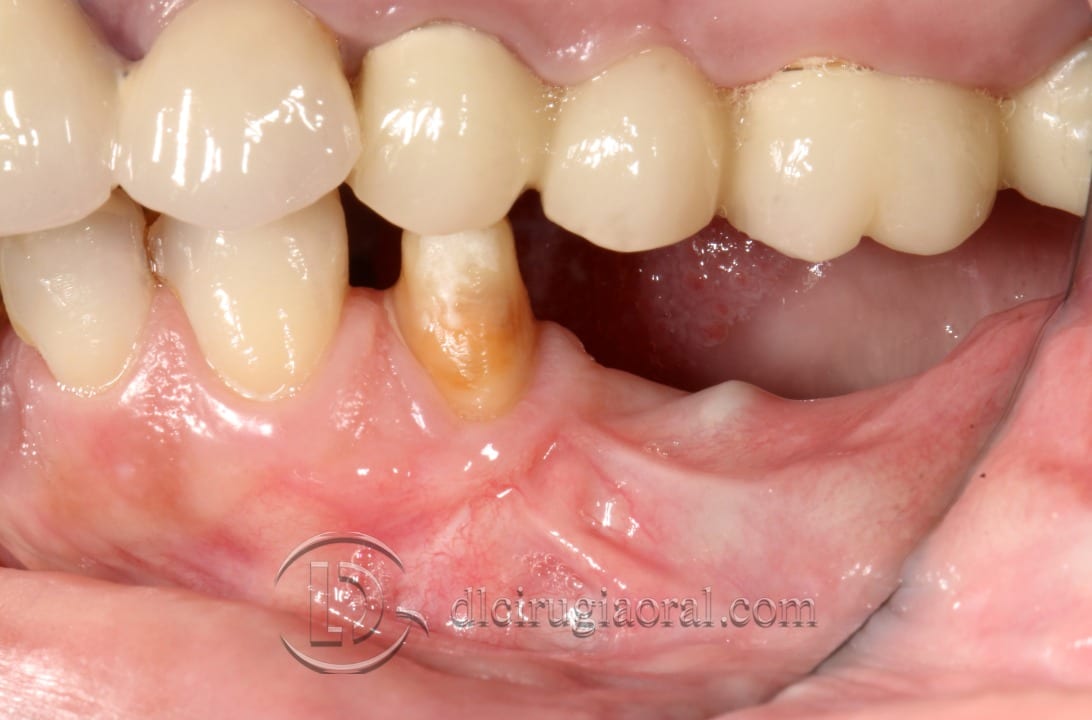
Dear Colleagues,
A couple of months ago, we shared a case involving mandibular reconstruction using tunnel access. You can view the full surgical sequence here:
🔗 Gaining height in the posterior mandible
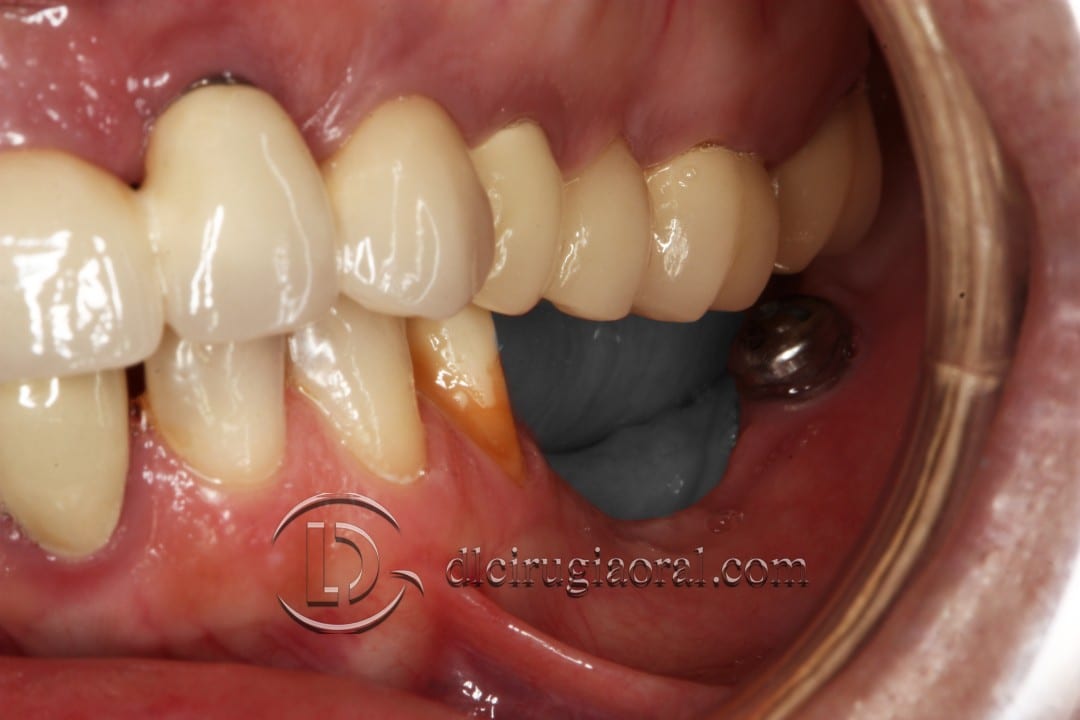
Five months after the bone graft, we proceeded with the next phase: placing implants on 3D mandibular reconstruction using a modified Kazanjian Vestibuloplasty approach. This technique allowed us to manage both soft tissue and implant placement in a single session.
Modified Vestibuloplasty for Mandibular Implants
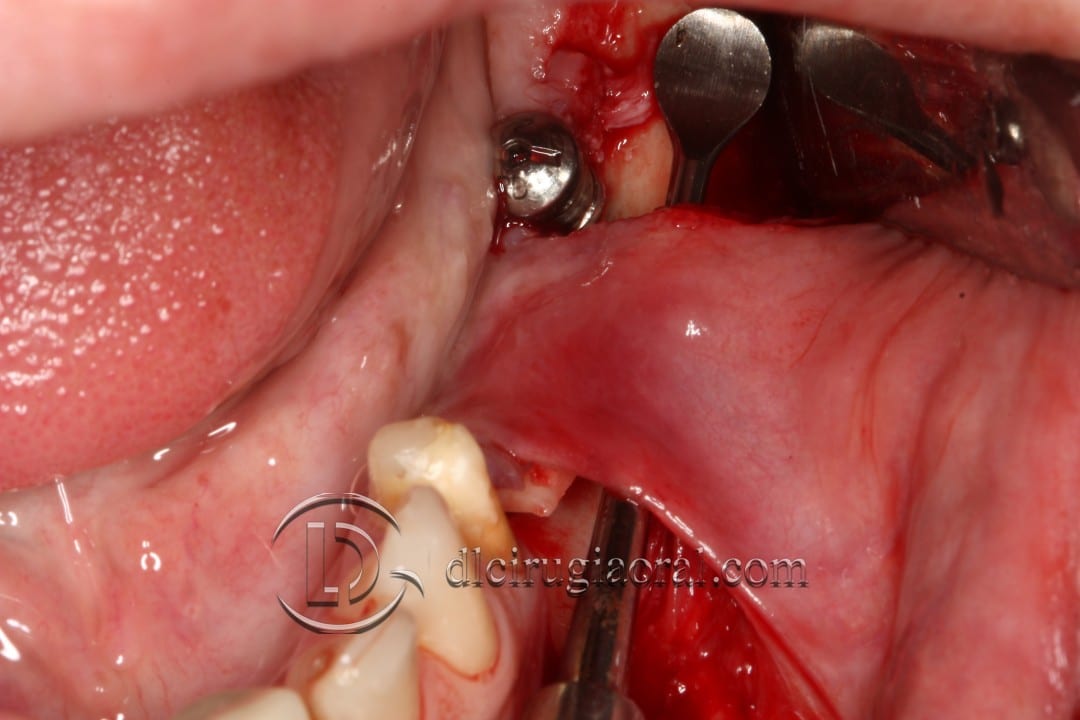
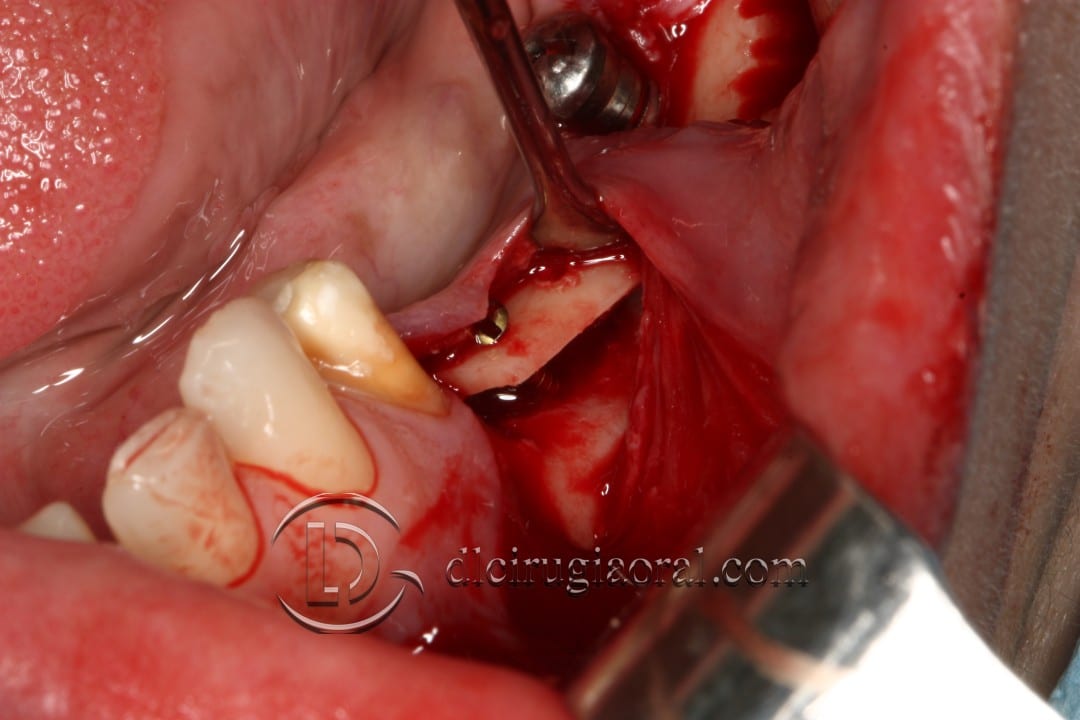
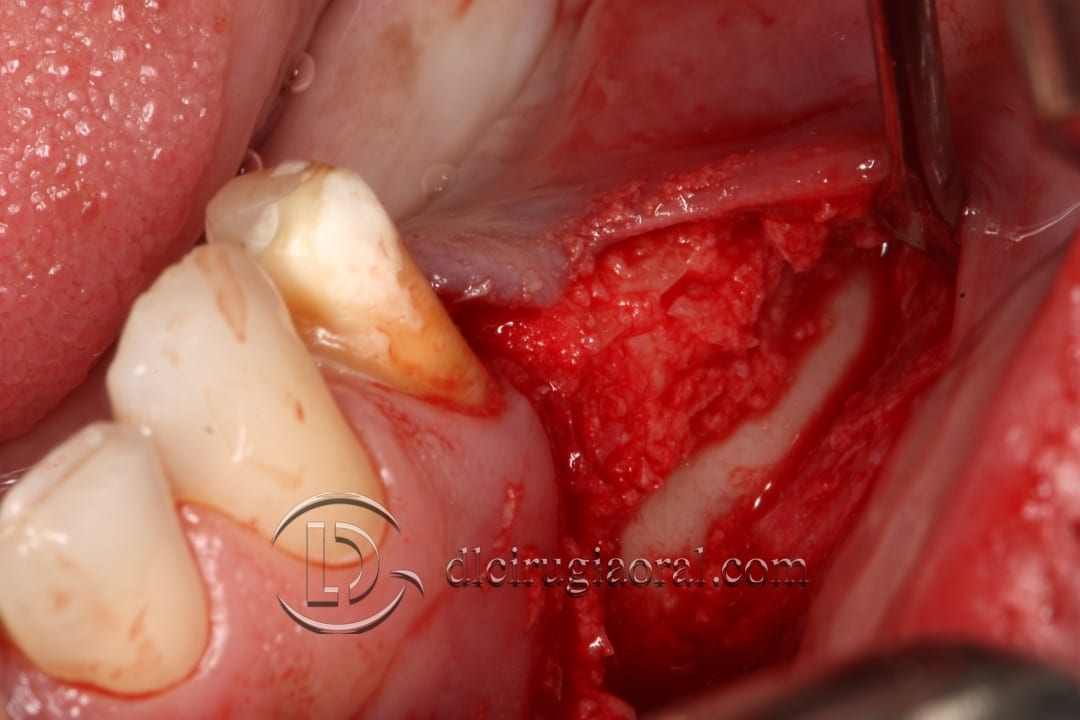
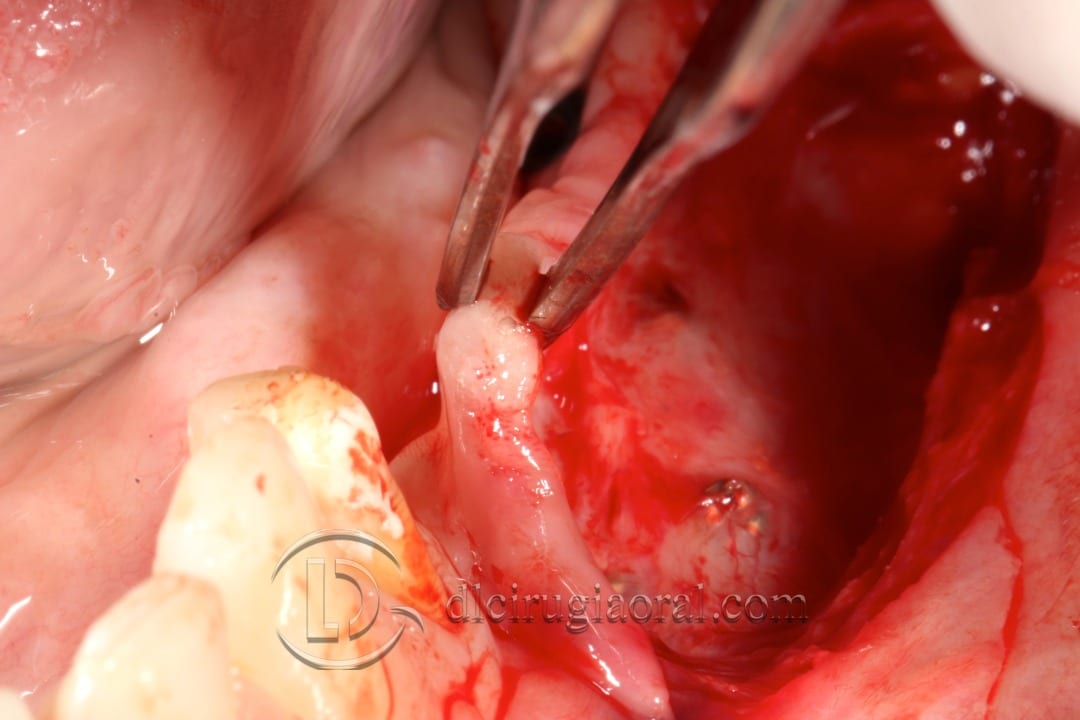
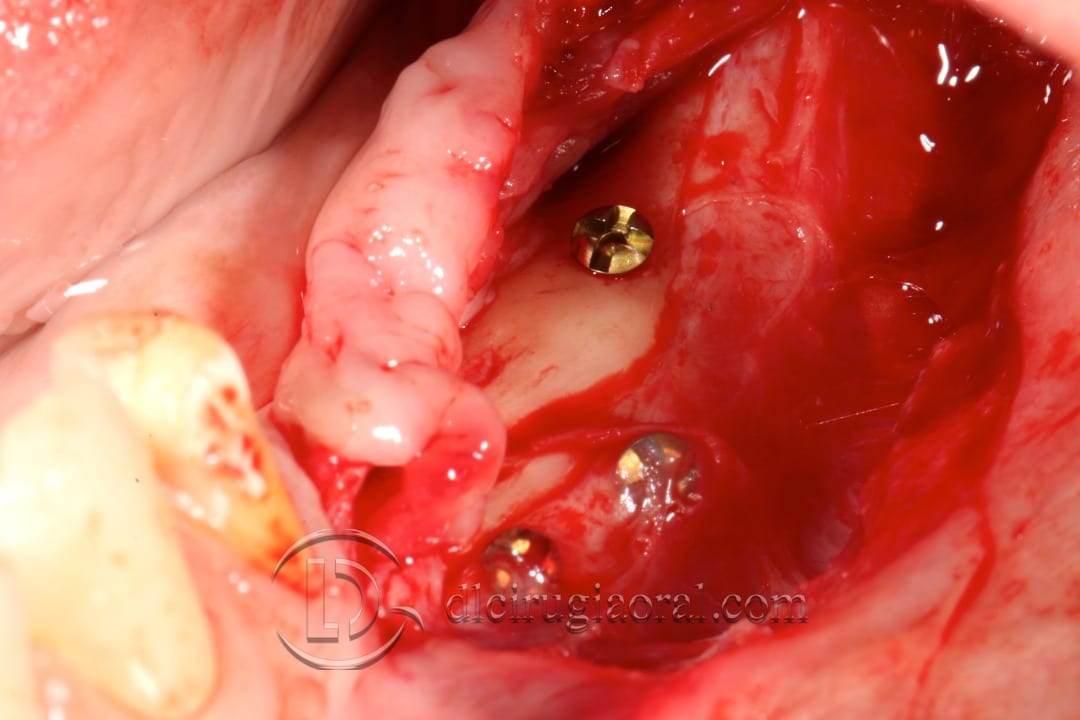
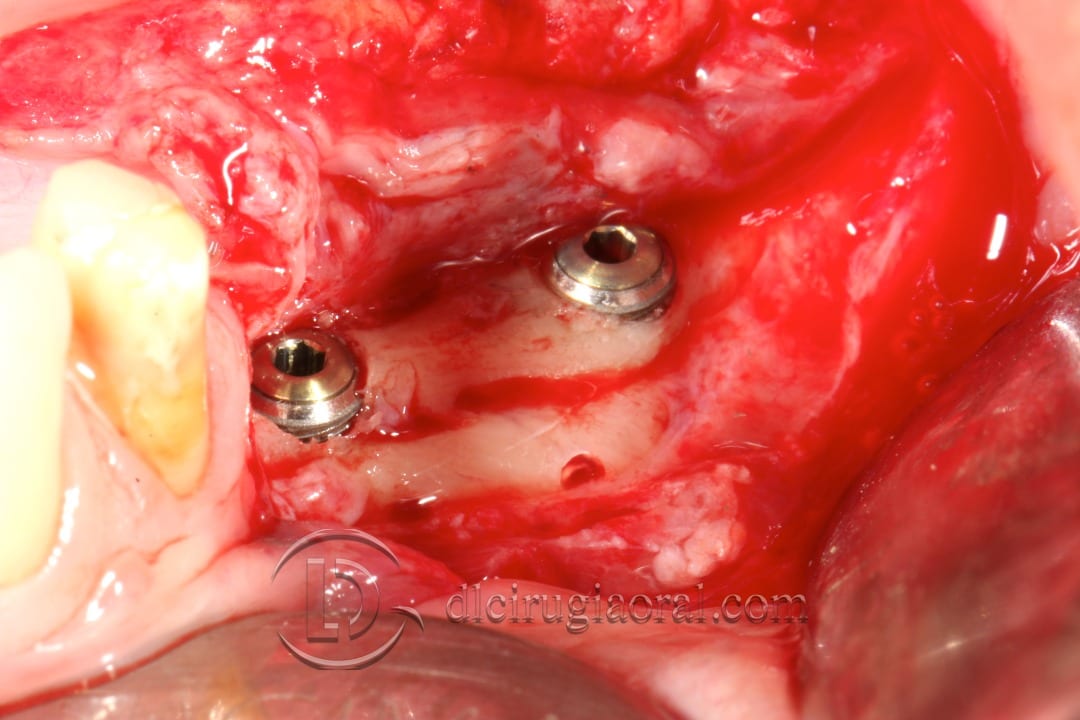
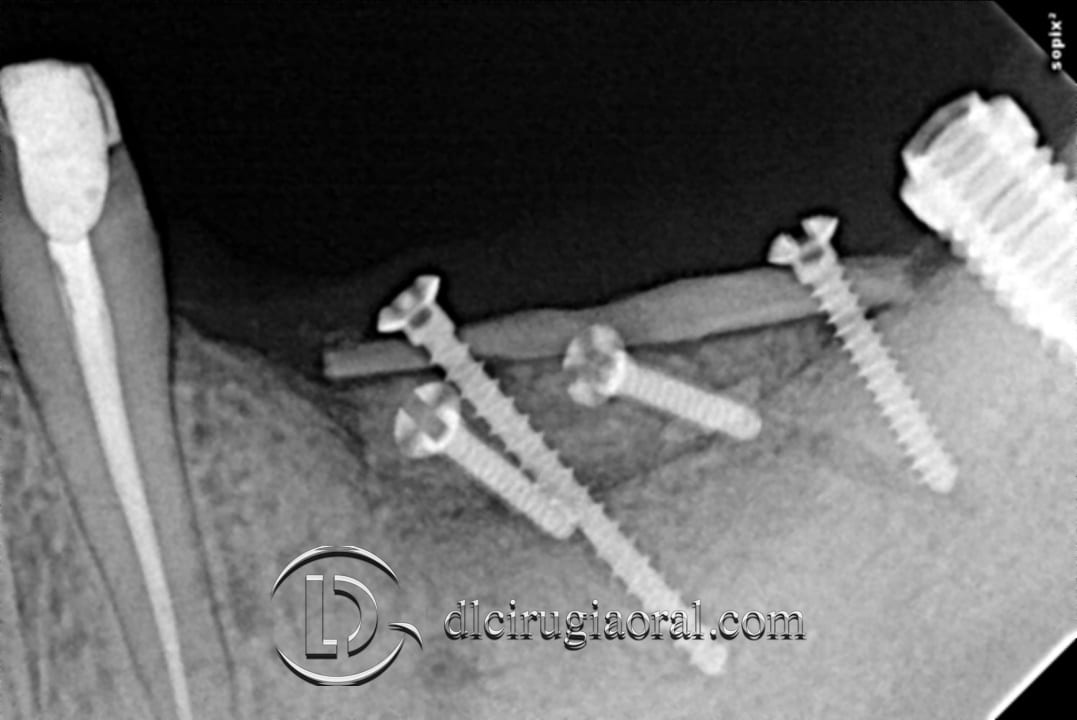
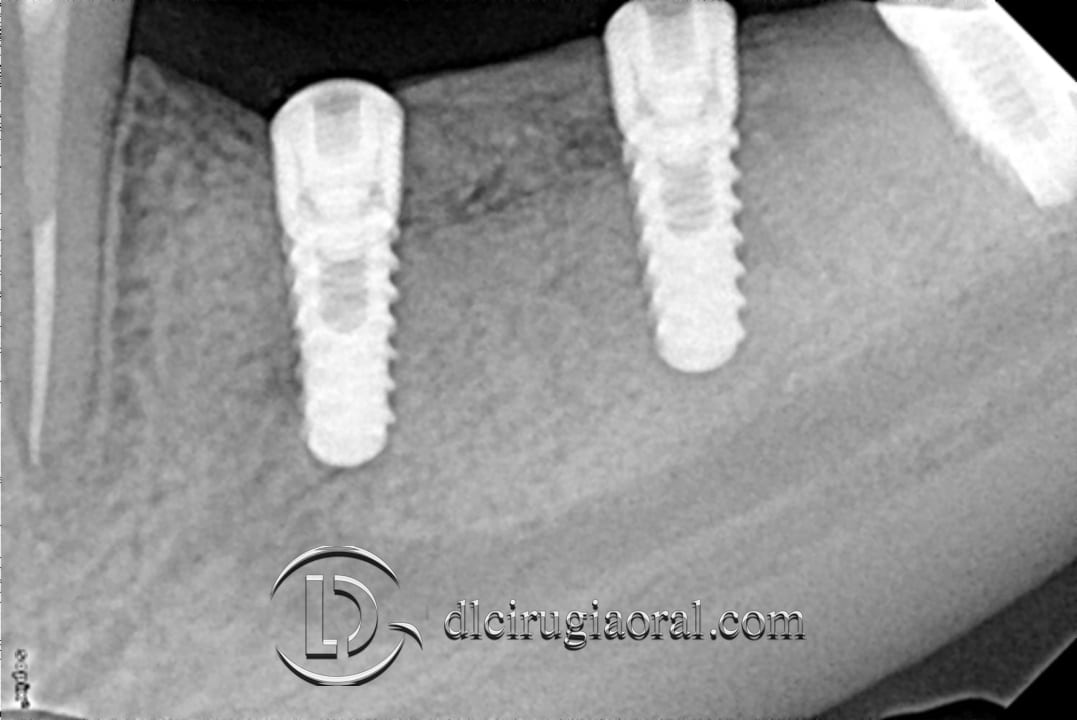
We started with a vestibular incision to separate an epithelial plate. The muscle was carefully released, preserving the periosteum. This step gave us access to remove osteosynthesis screws and place 10 mm implants in the regenerated bone.
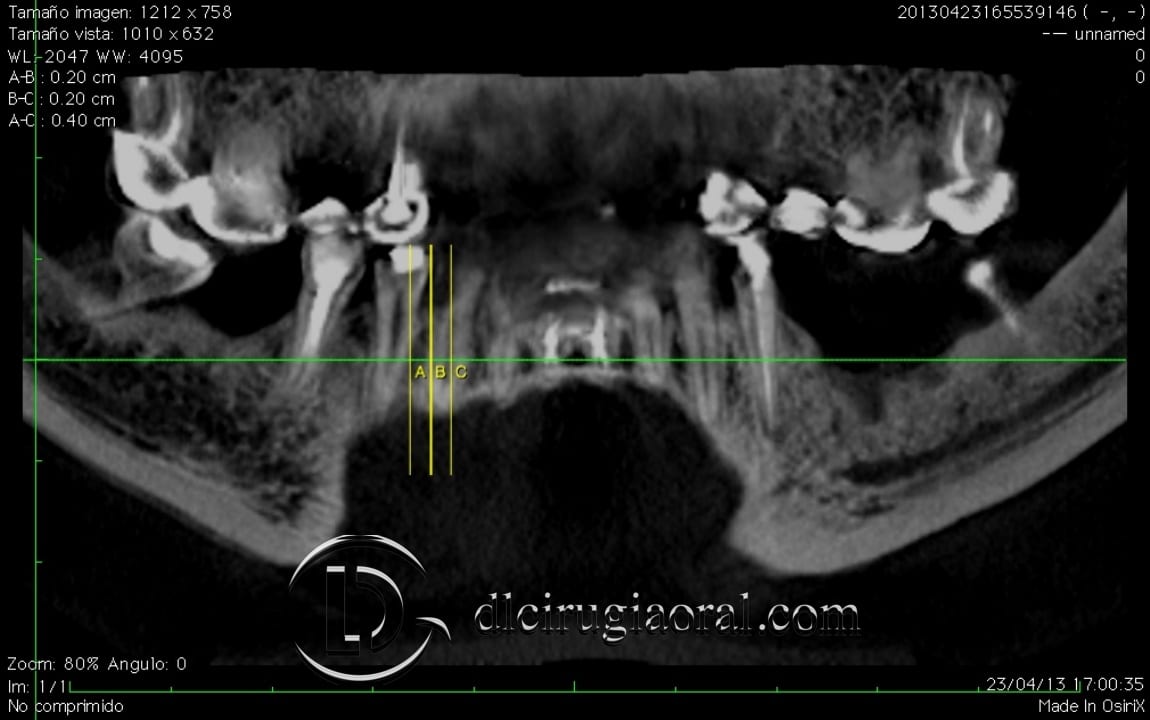
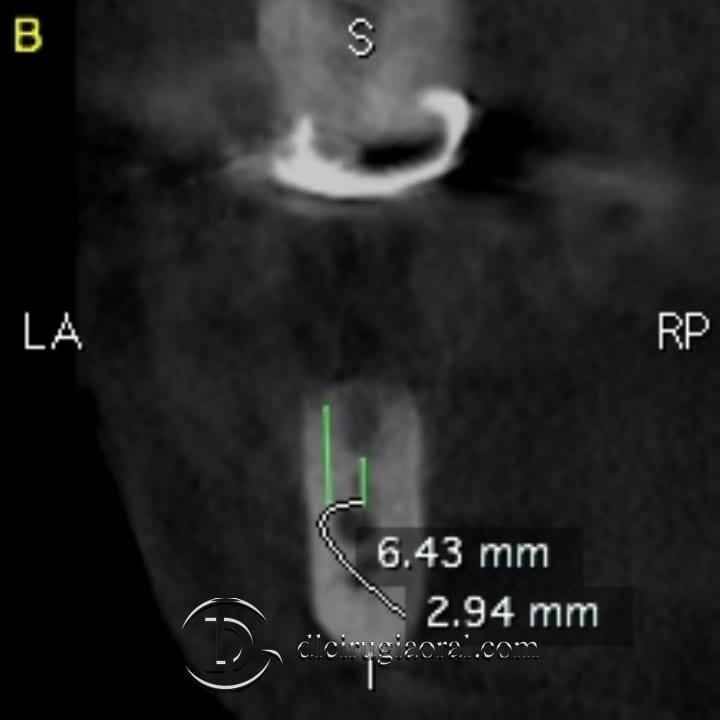
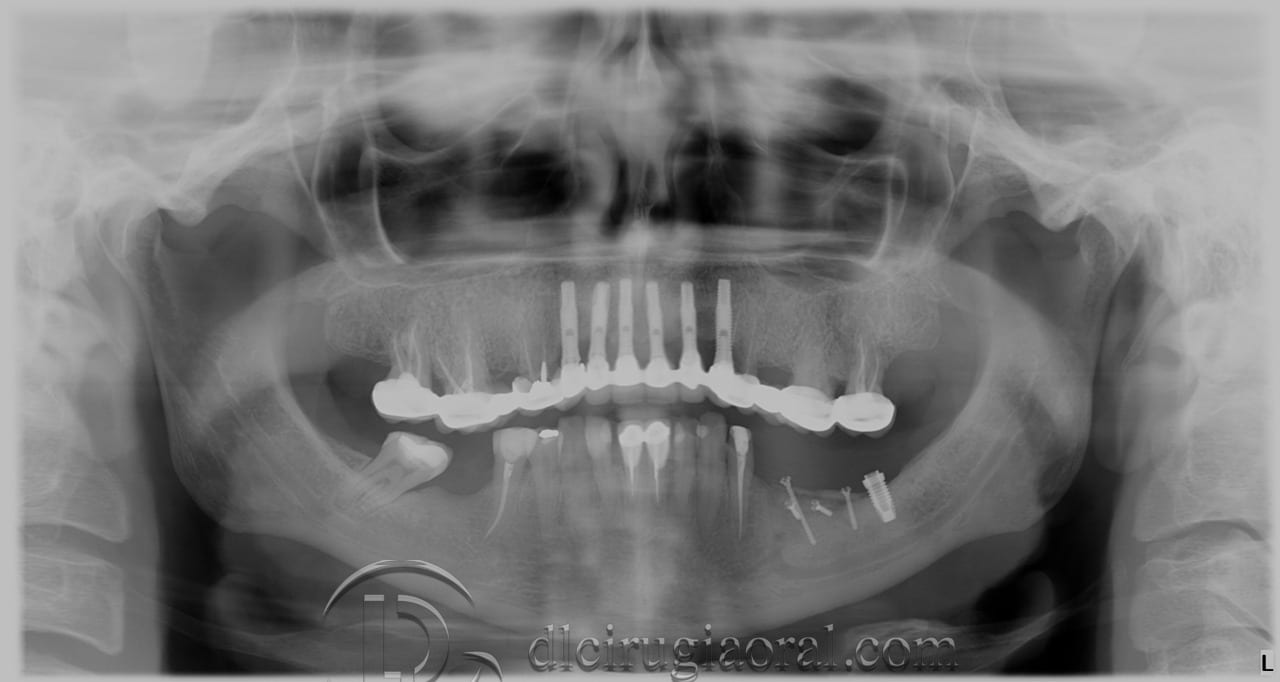
As confirmed in the tomographic images, initial height was just 2.8 mm. Thanks to vertical augmentation, we reached over 10 mm—sufficient for placing standard-length implants with stability.
We closed the vestibuloplasty by suturing the periosteal and epithelial plates to the periosteum, ensuring tissue control and healing.
Reflections on Placing Implants on 3D Mandibular Reconstruction
Performing implants on 3D mandibular reconstruction highlights the importance of pre-planned bone architecture. Proper vestibular access facilitates both surgical and aesthetic outcomes.
📎 See more clinical cases of bone grafting
Below you’ll find photos from the surgical procedure.