Reconstruction After Failed Implant and Graft
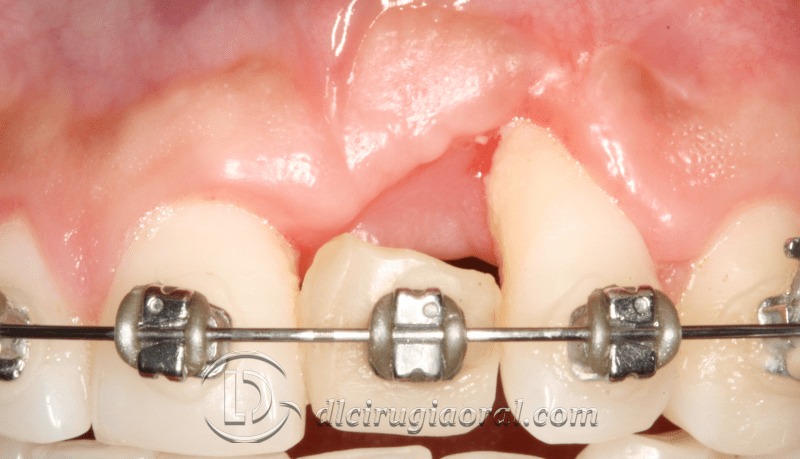
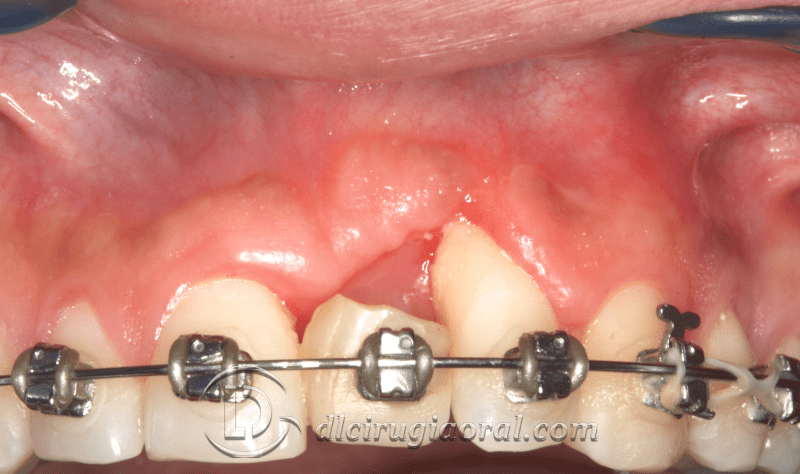
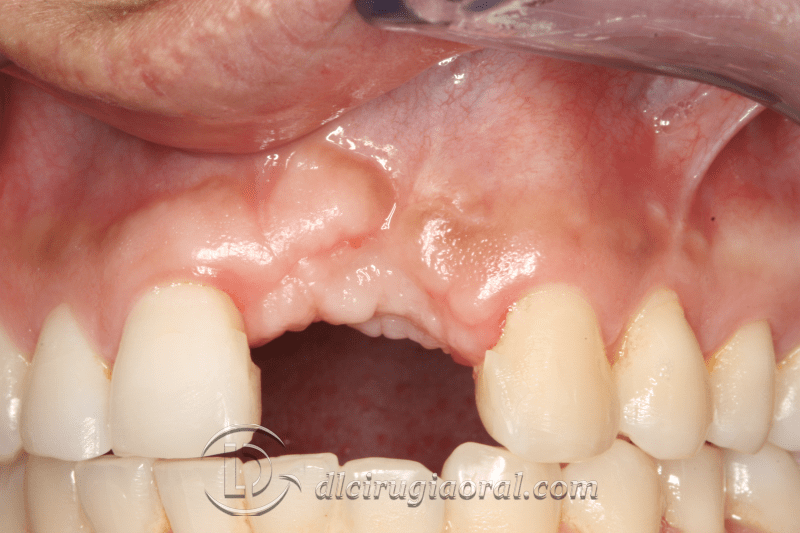
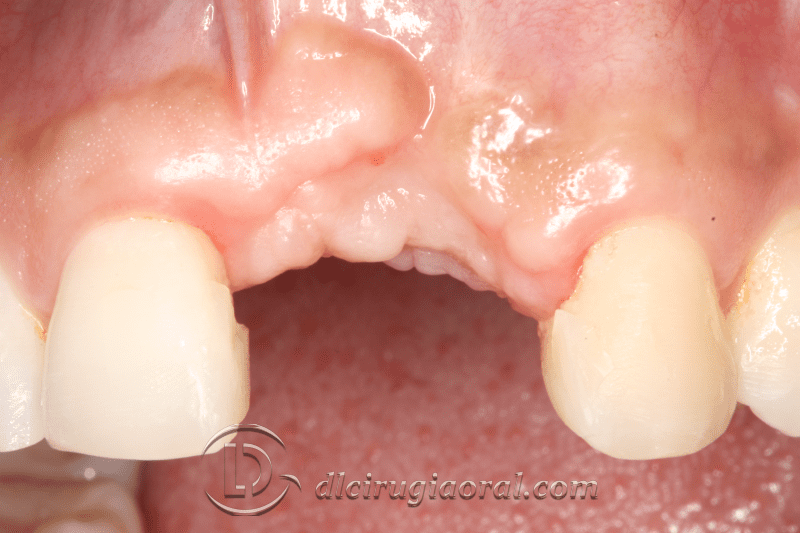
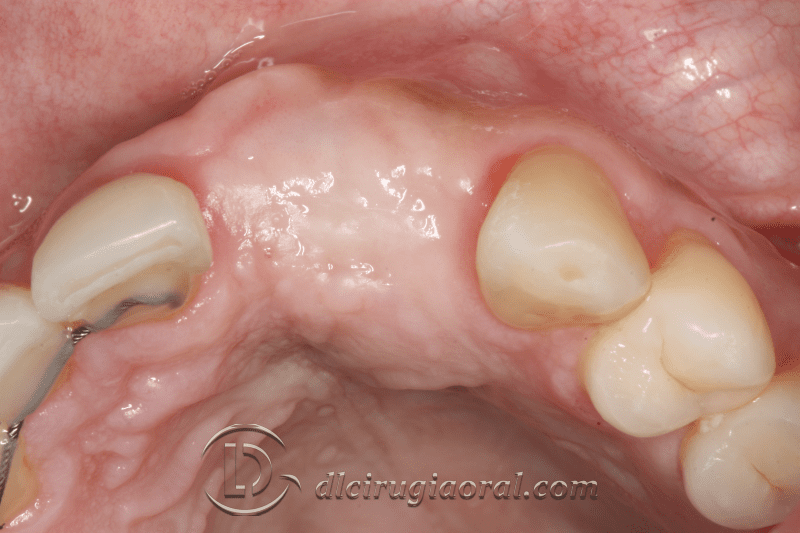
This case illustrates a complex reconstruction after failed implant, involving both hard and soft tissue correction. The patient, a healthy 27-year-old, experienced trauma at age 14, which led to the avulsion of the upper left central incisor.
Initial Implant Failure and Bone Loss
After years without the tooth, the space closed. At 24, the patient underwent orthodontic treatment to reopen the site. An implant was placed, and the defect—severely atrophic—was filled with bovine-derived biomaterial.
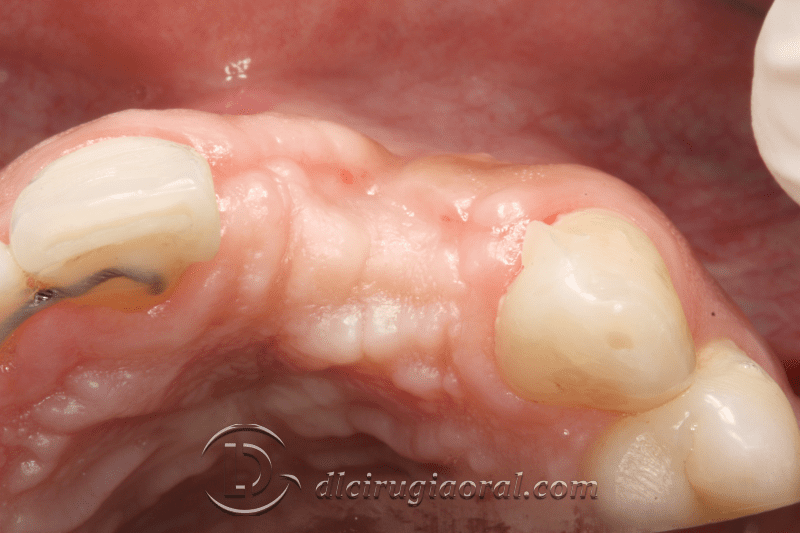
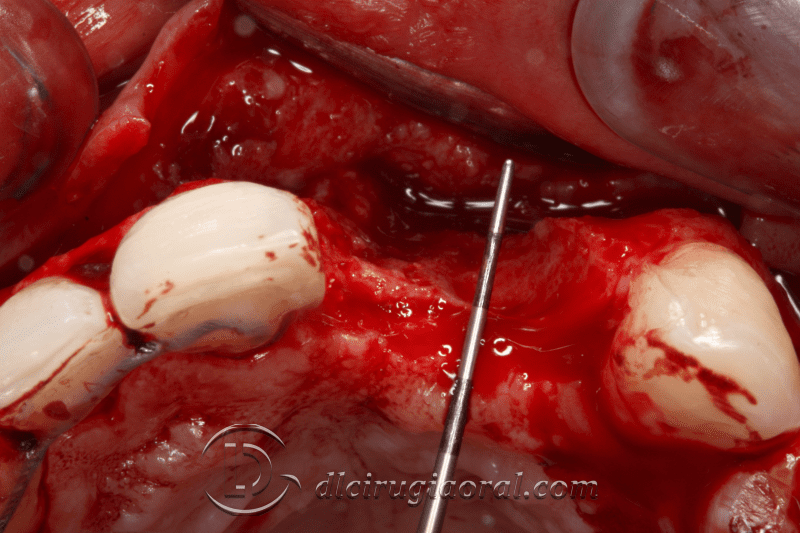
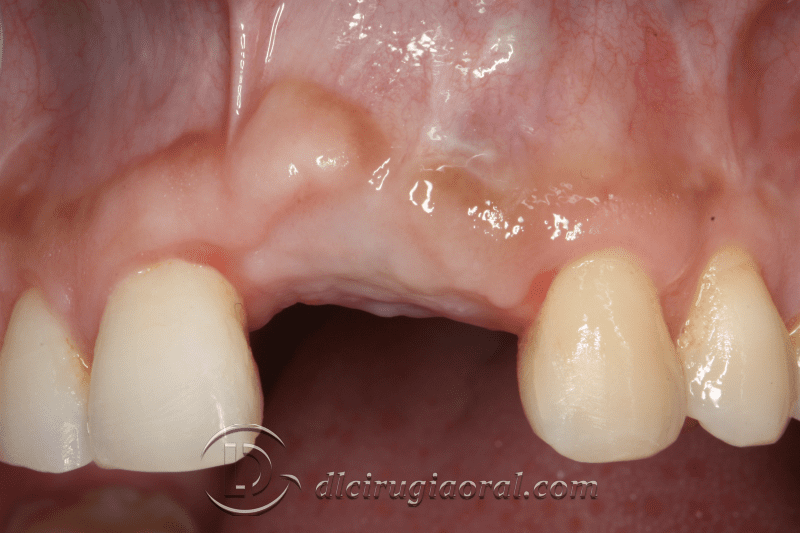
Unfortunately, the graft became infected. The infection caused the loss of both the biomaterial and the implant. It also damaged the adjacent lateral incisor, which lost its entire mesial and buccal bone plates. This left a severe horizontal defect and tooth mobility.
Rebuilding the Defect in Two Surgical Stages
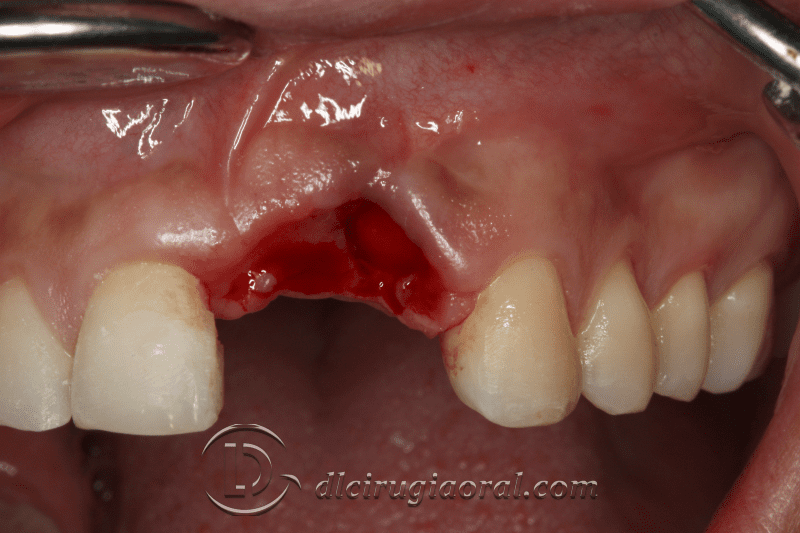
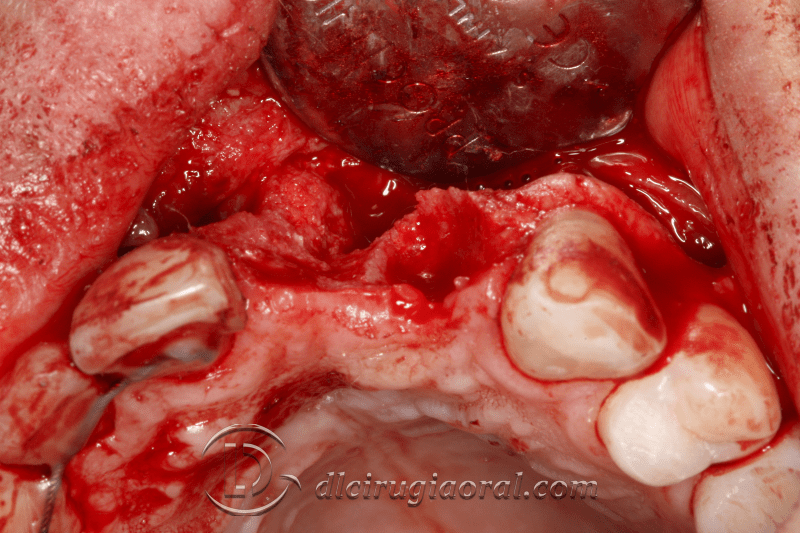
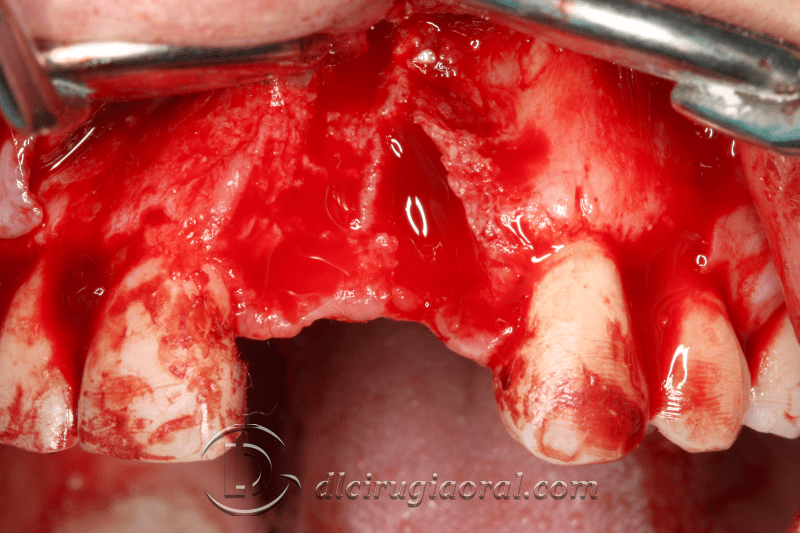
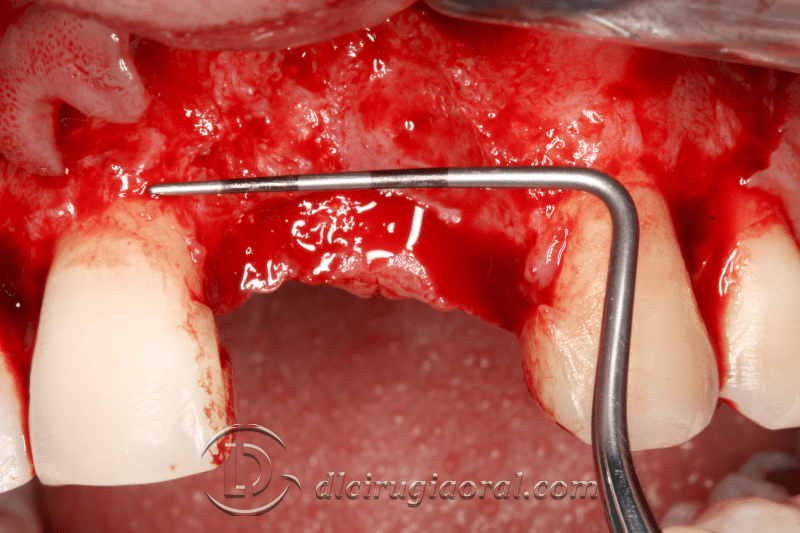
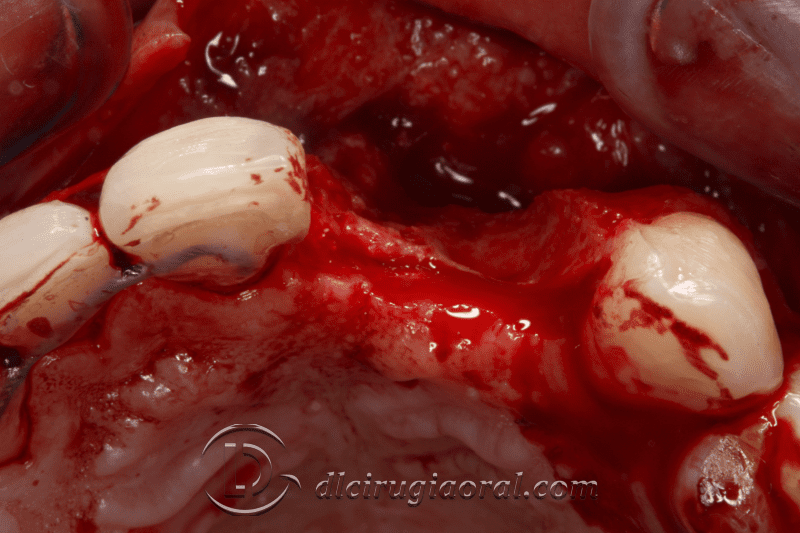
When we first saw the patient, palatal bone was reduced to just 1 mm. The lateral incisor had no bony support and was at risk.
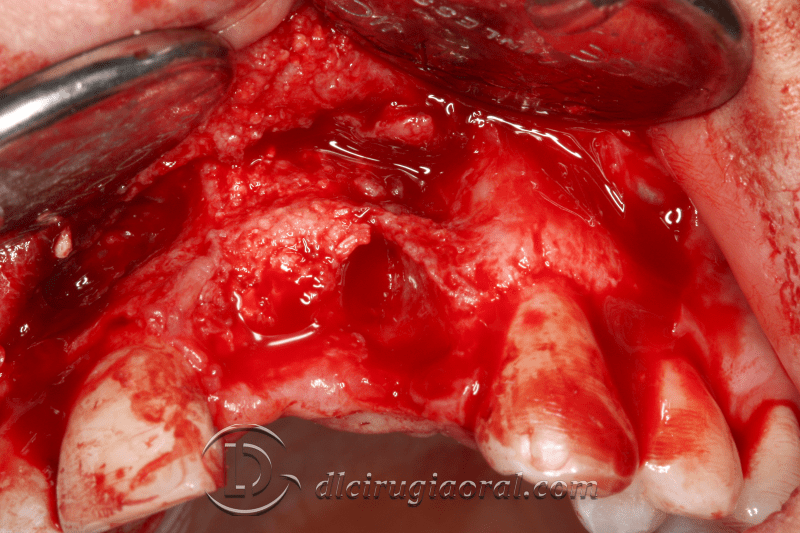
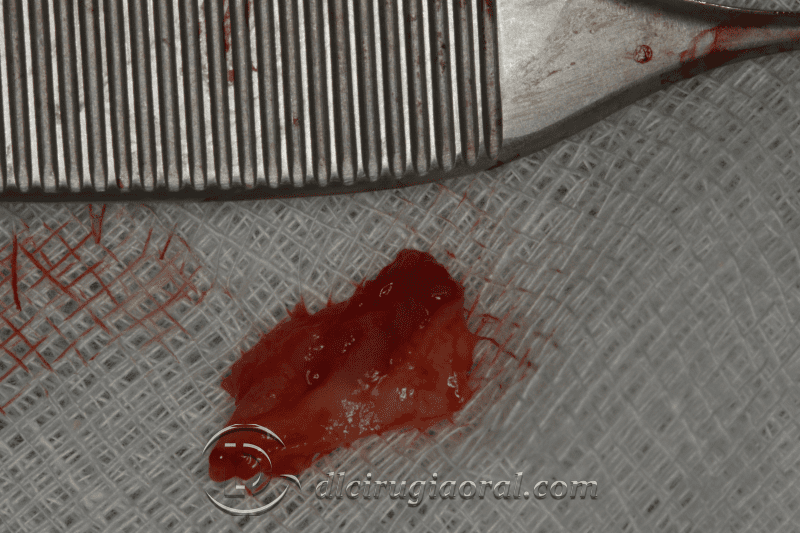
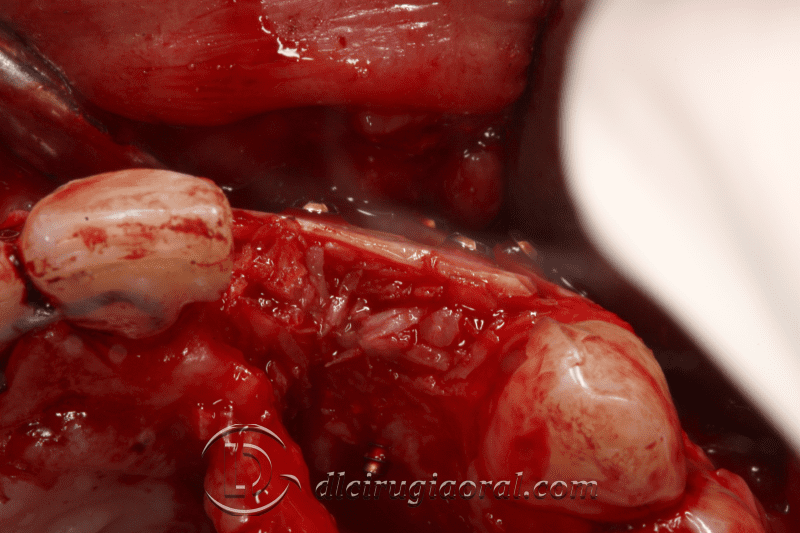
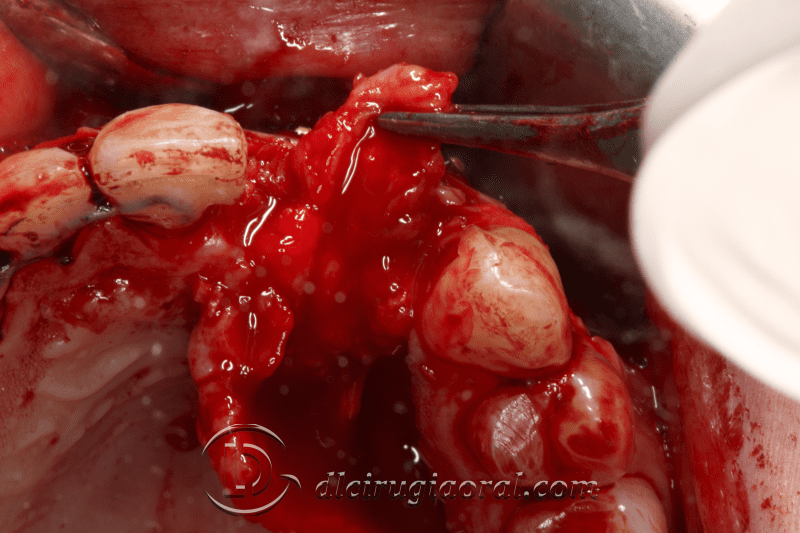
In the first surgery, we removed the encapsulated biomaterial and performed a connective tissue graft to improve mucosal conditions. This soft tissue preparation was essential to support future graft integration.
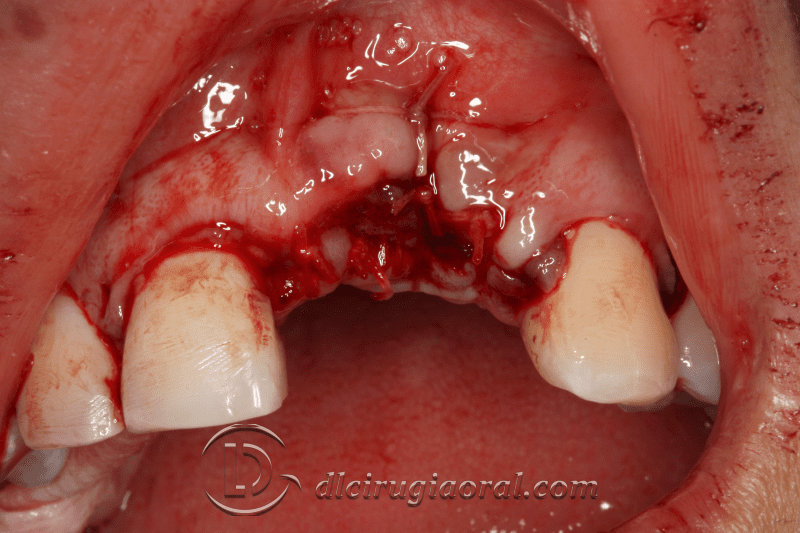
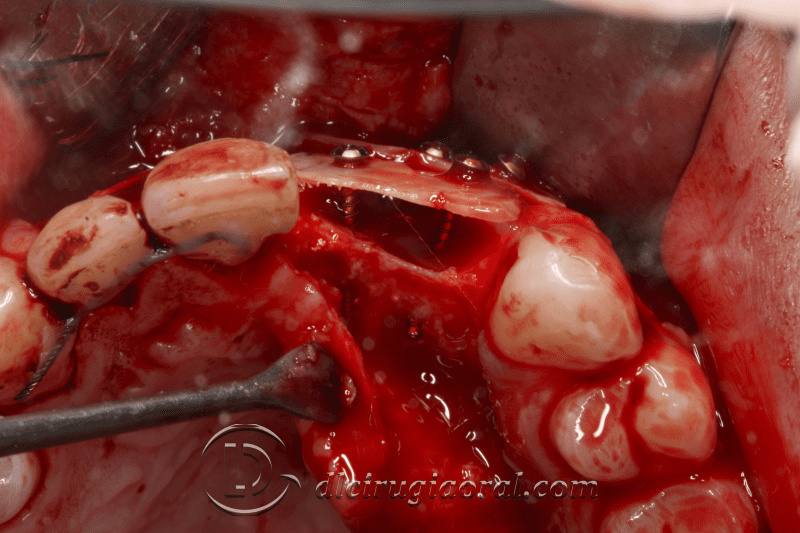
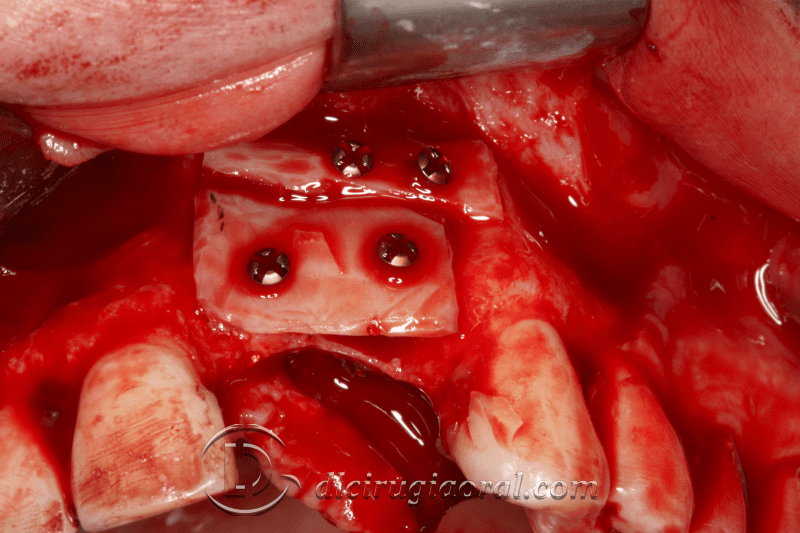
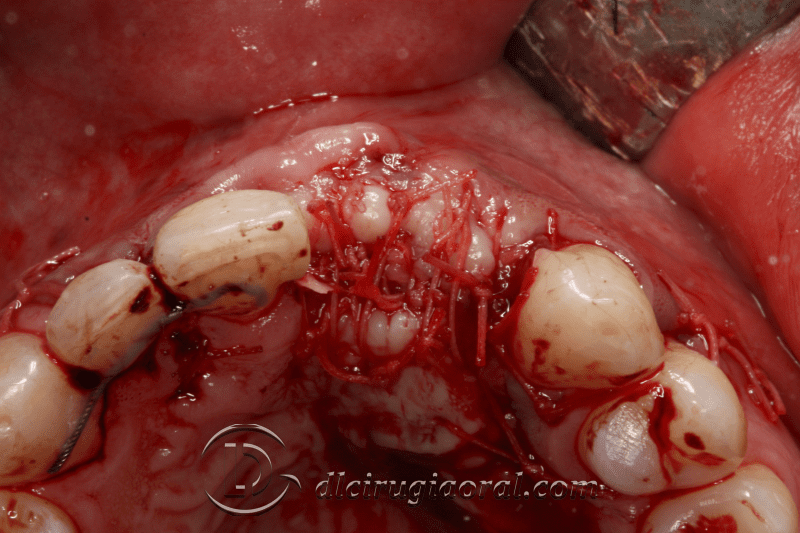
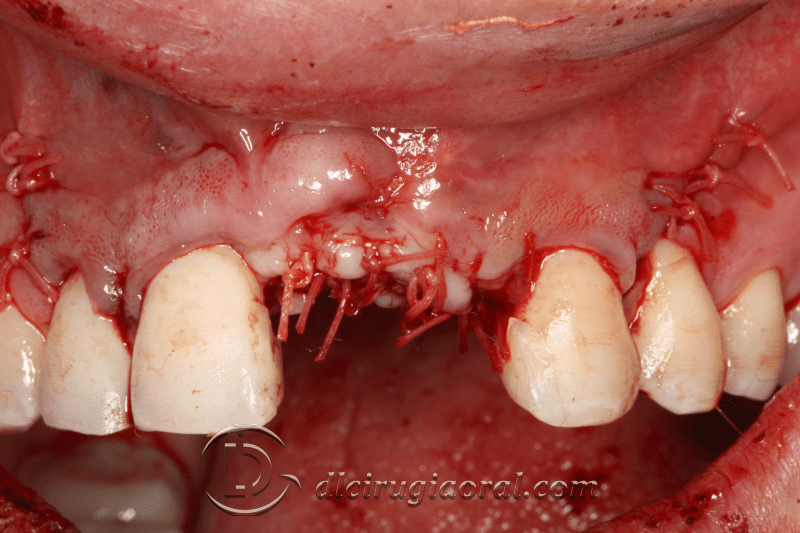
Later, we performed bone augmentation using a rotated palatal flap to close the site. This staged approach allowed us to address both biological and prosthetic demands.