Reconstruction of vertical bone defect in the mandible
Reconstruction of vertical bone defect in the mandible is a frequent clinical challenge in modern implantology. Vertical atrophies, especially in the posterior mandible, often prevent ideal implant positioning without prior bone augmentation.
Various techniques have been described to address these defects. However, one of the most efficient and predictable approaches is the Split Bone Block technique, described by Prof. Fouad Khoury. This method allows reentry and implant placement as early as four months after grafting.
Clinical case: vertical bone loss in posterior mandible
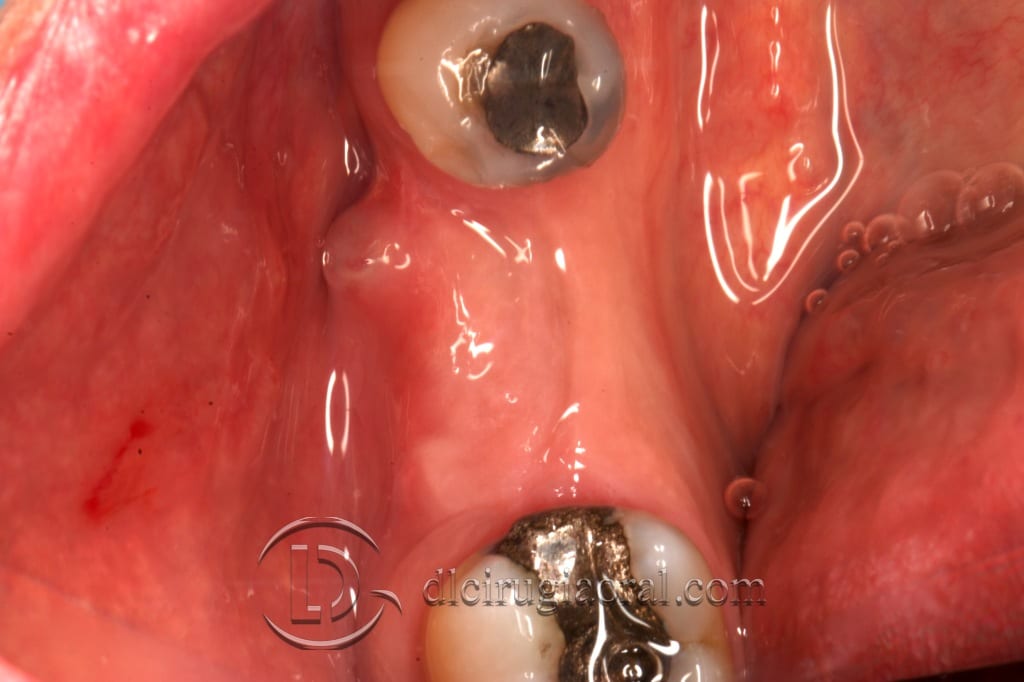
The following case involves a middle-aged, non-smoking male with no significant medical history. He was referred due to a bone atrophy that prevented placing an implant in the ideal prosthetic position.
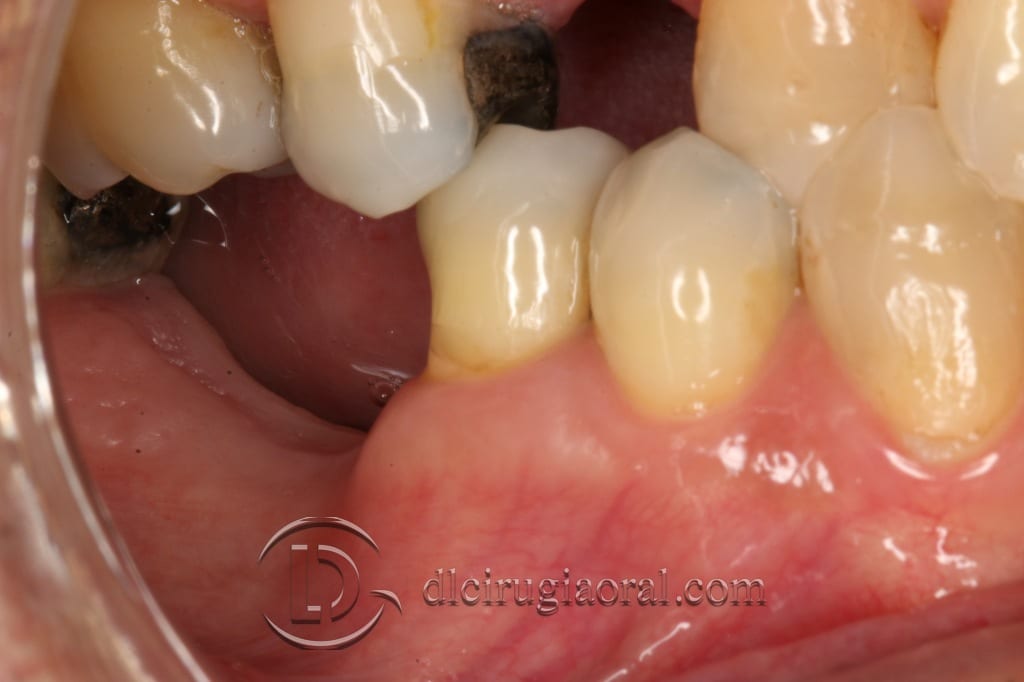
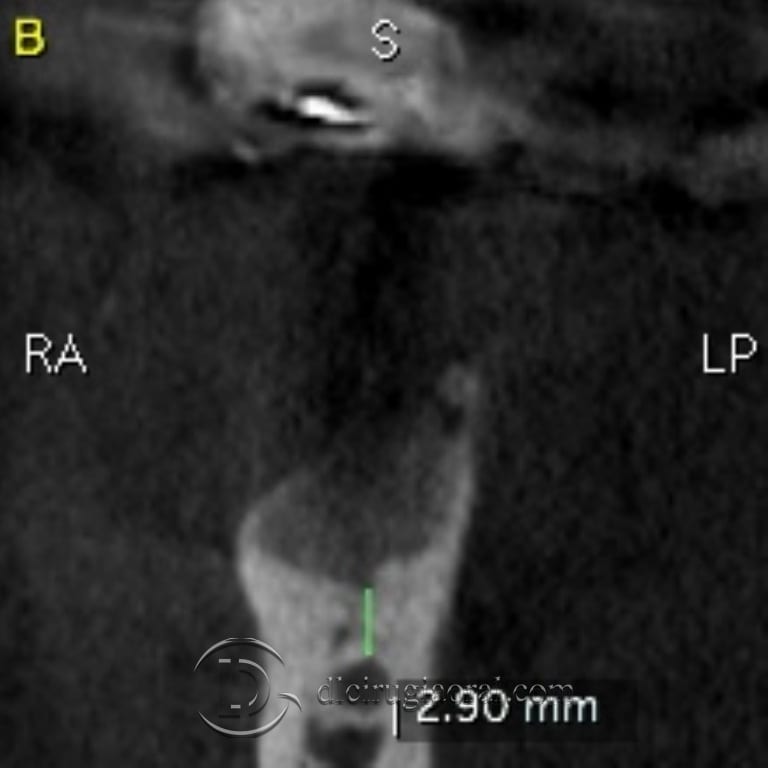
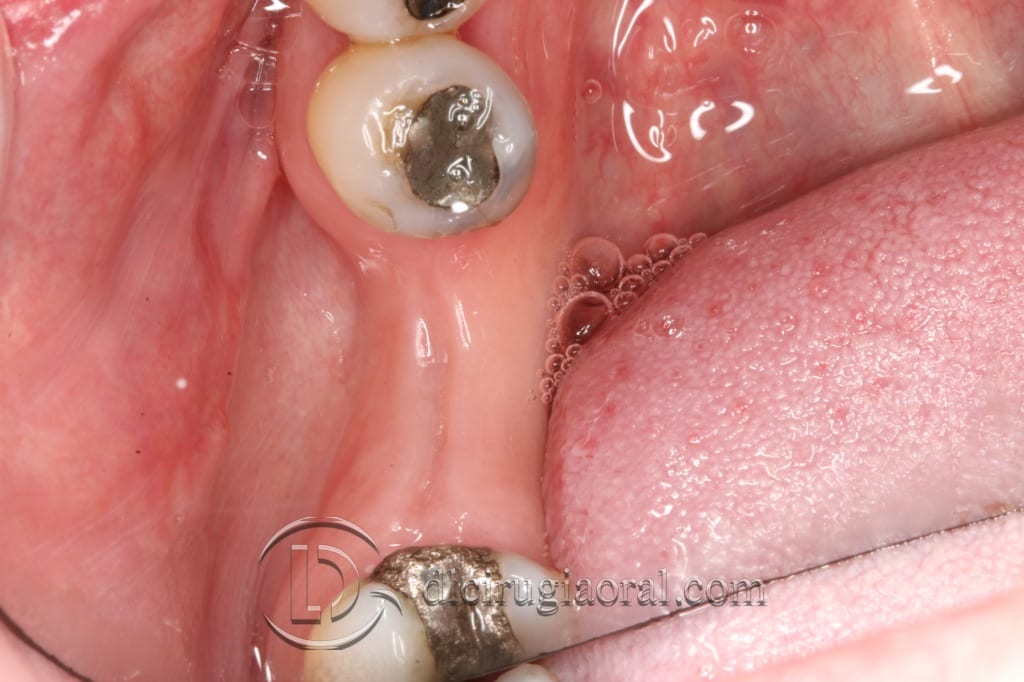
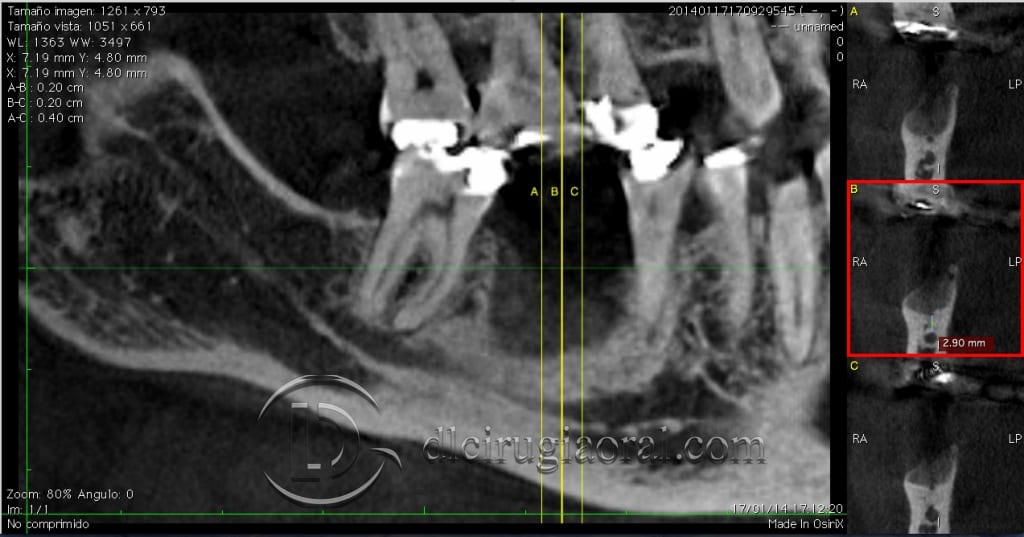
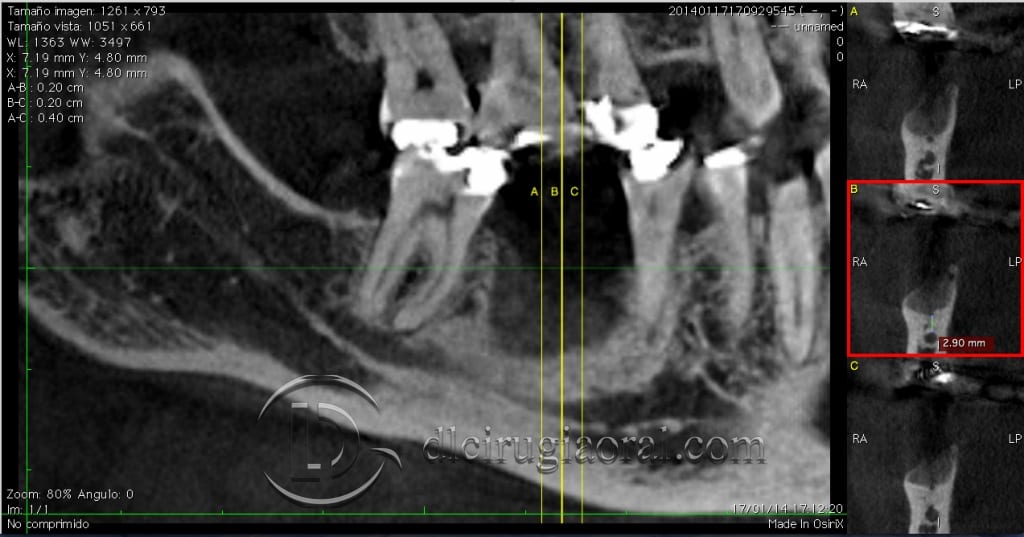
On clinical and radiographic examination, we identified a vertical bone defect in the area of tooth 46. A previous traumatic extraction and several years of edentulism had led to the loss of bone height. The CT scan confirmed that only 3–4 mm of healthy bone remained above the mandibular nerve.
Surgical procedure and outcome
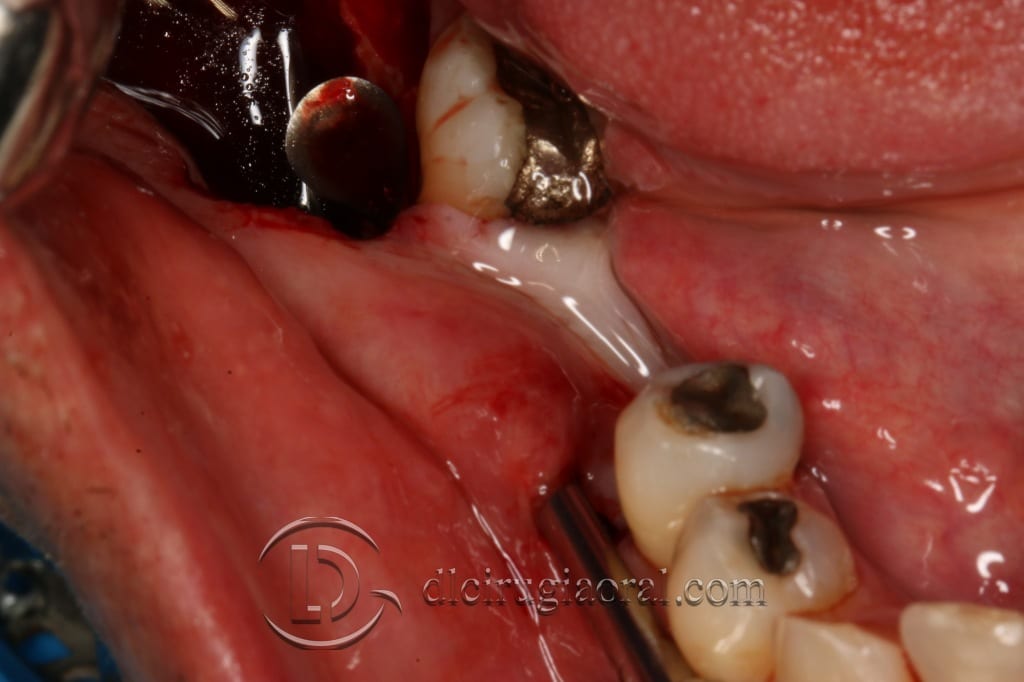
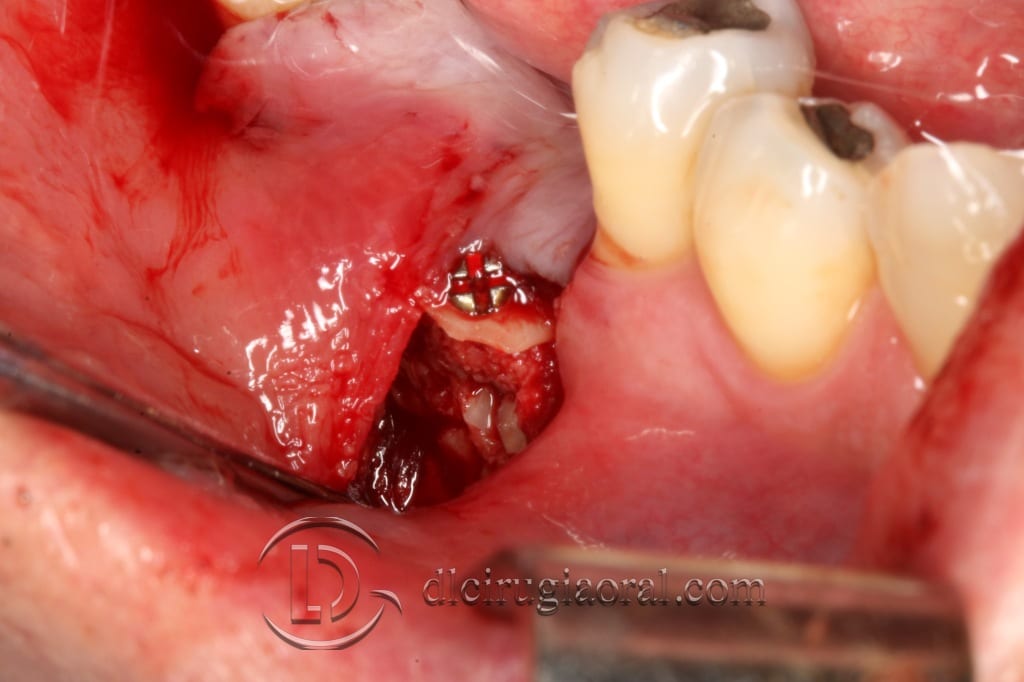
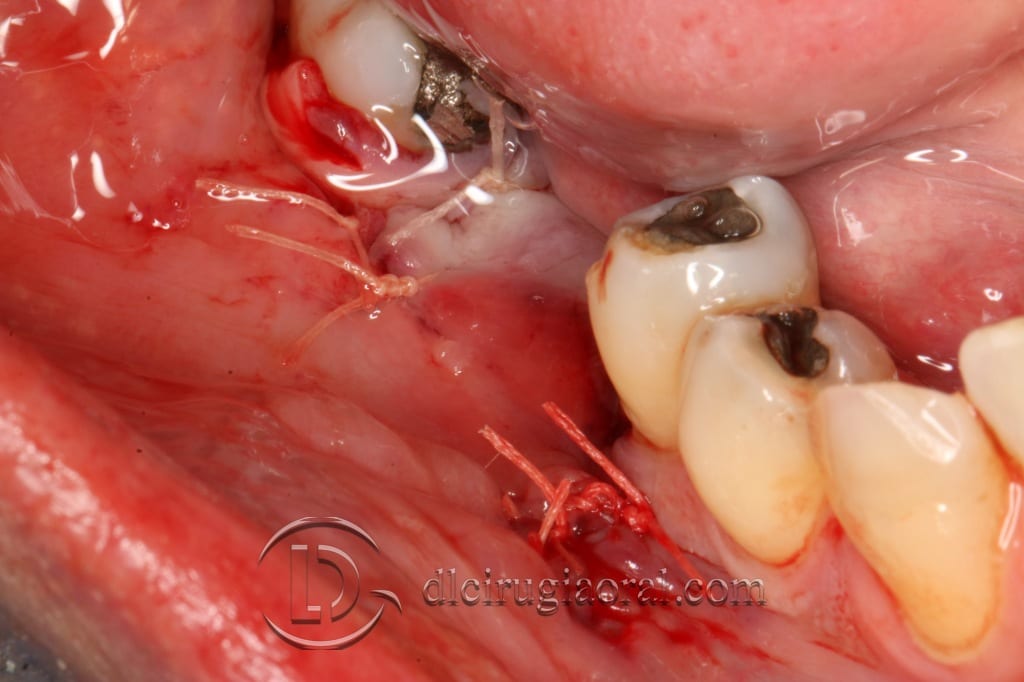
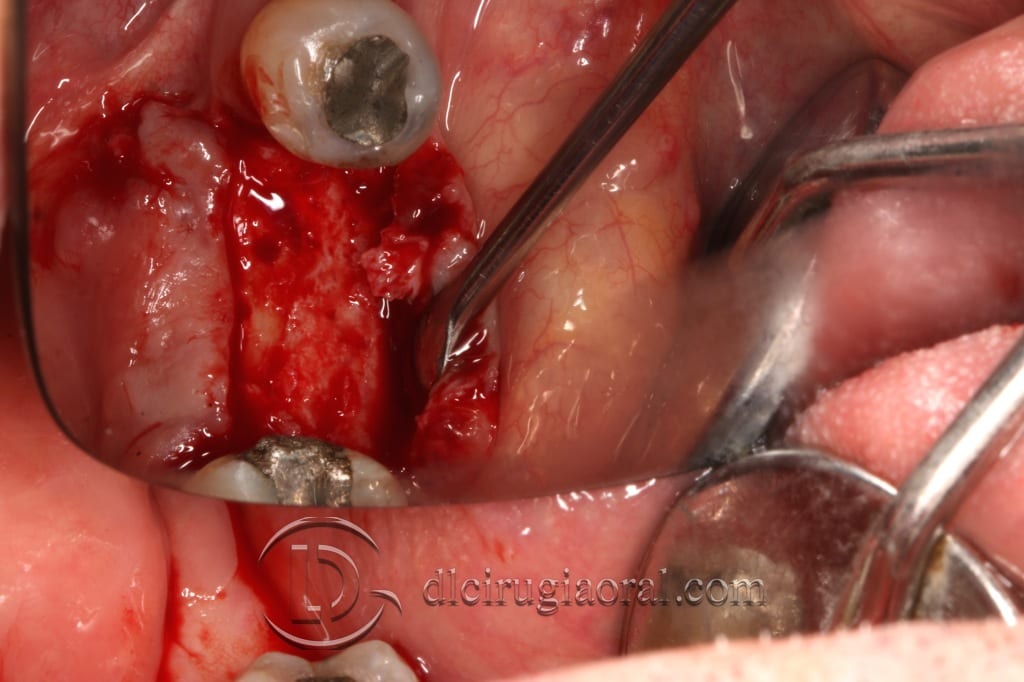
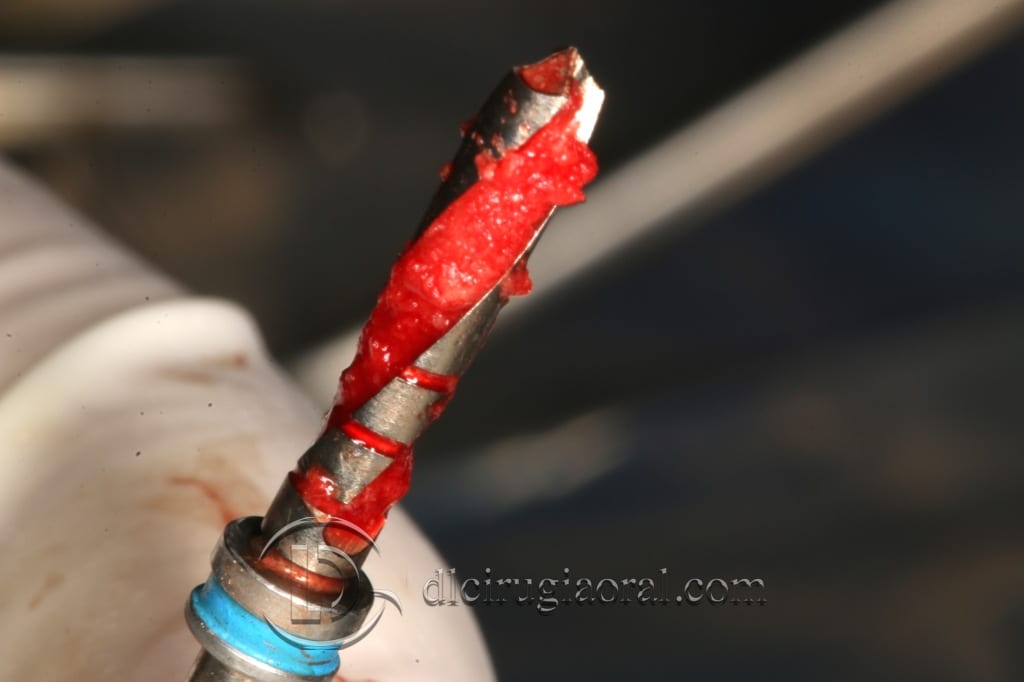
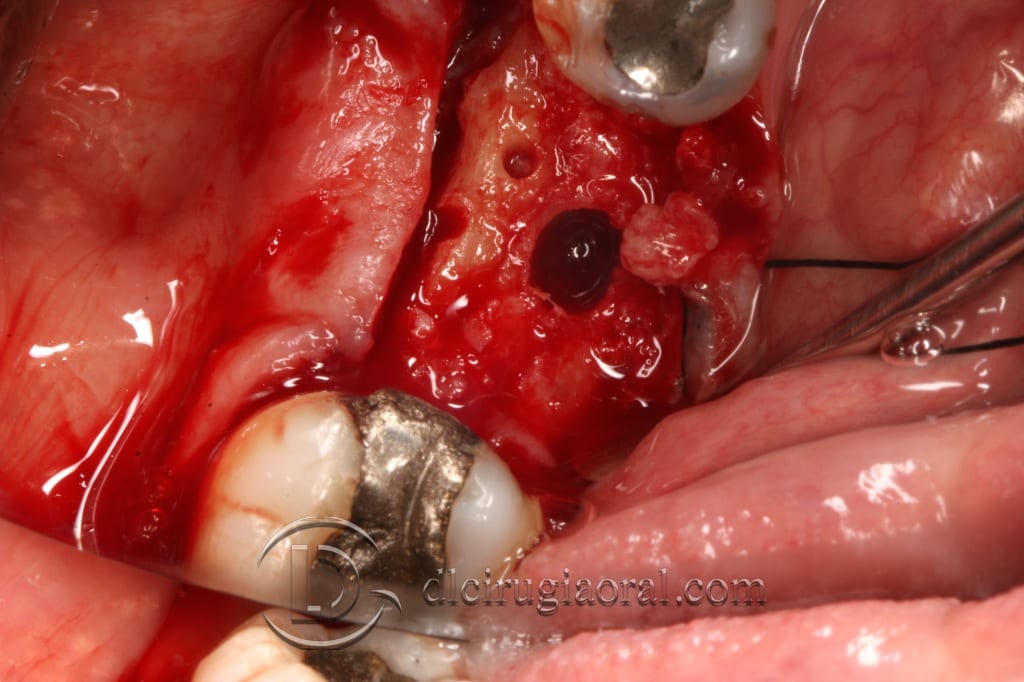
We opted for reconstruction of the vertical bone defect in the mandible using thin autologous bone plates through a tunnel approach.
👉 You can watch the surgical steps in this video:
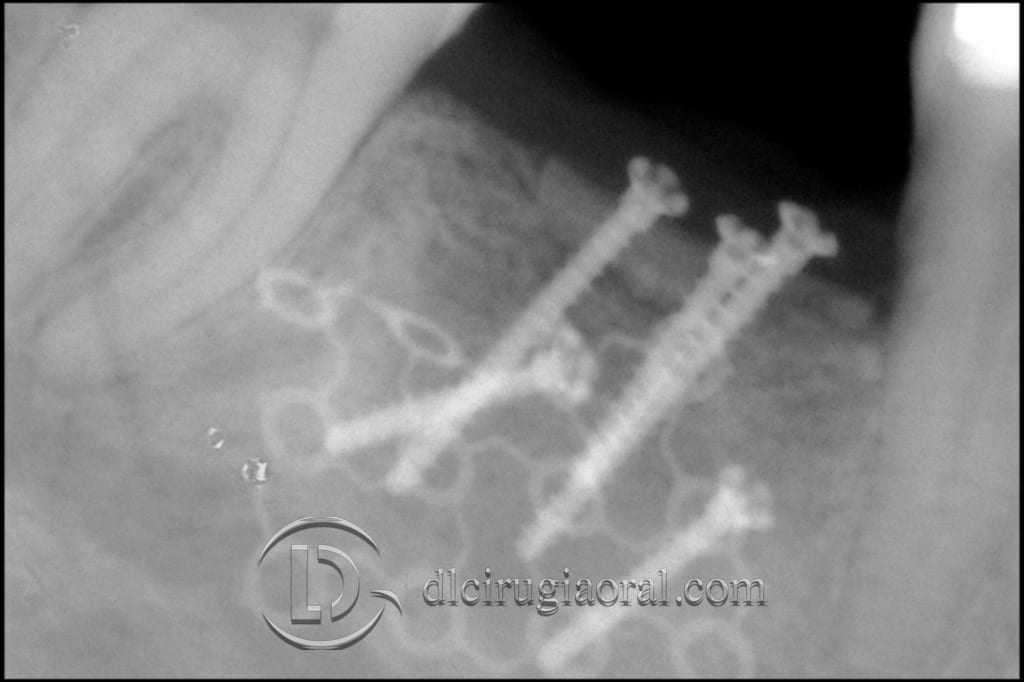
During the procedure, one of the two bone plates fractured. Therefore, we replaced it with a titanium mesh to preserve the volume and support regeneration.
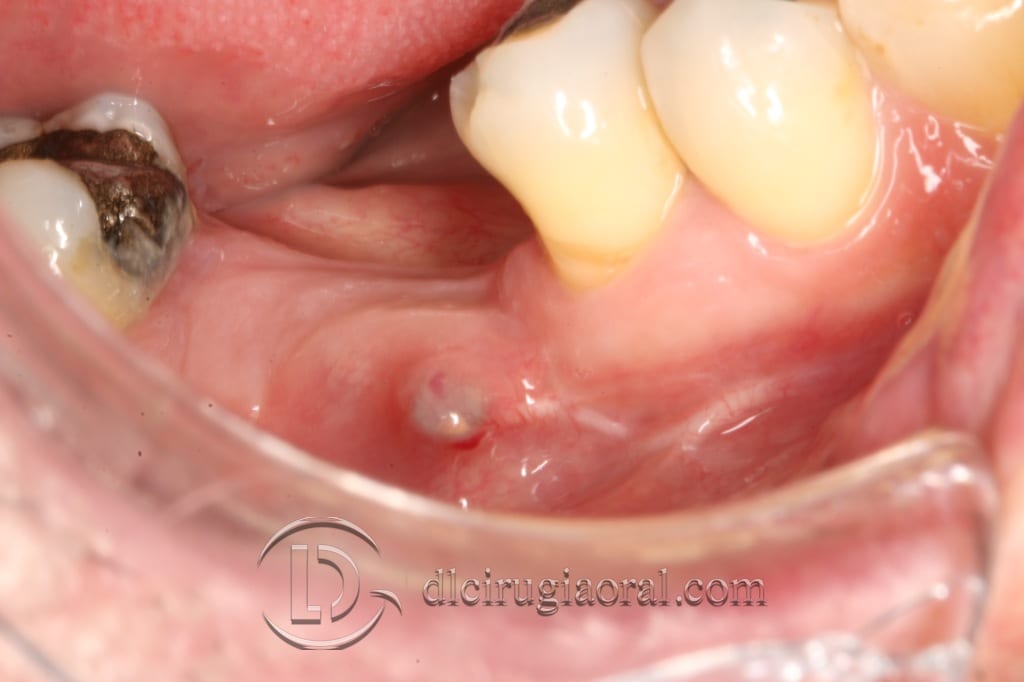
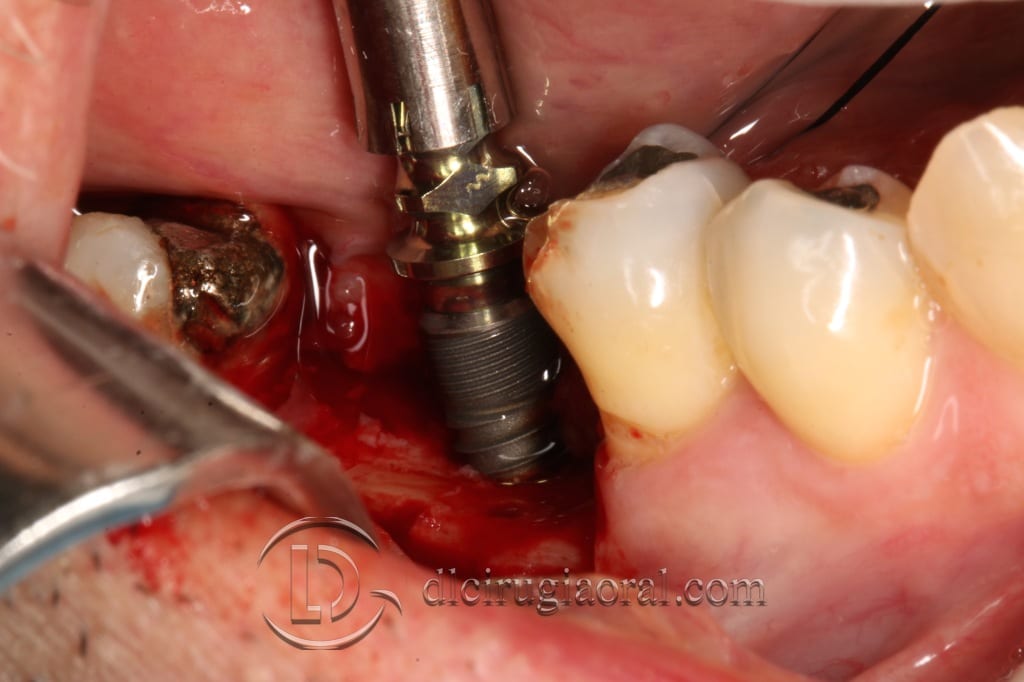
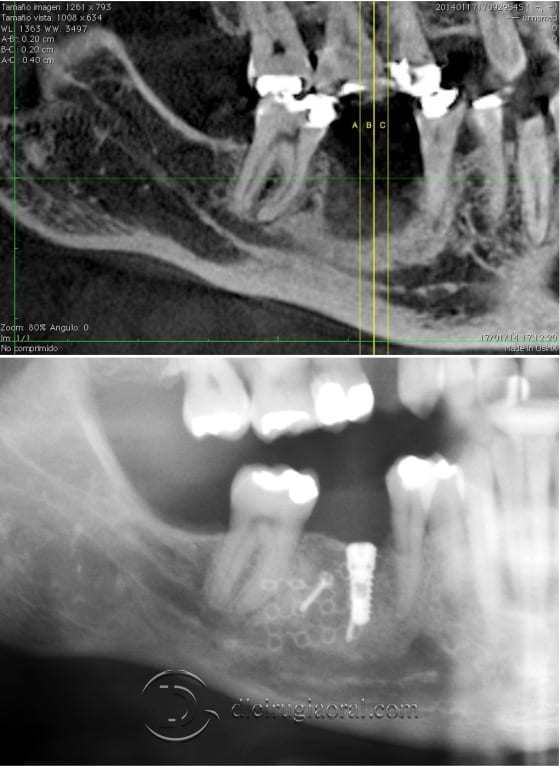
After six months, we reopened the site and placed a 10 mm-long implant. The regenerated bone offered enough vertical height, leaving a 2–3 mm safety margin with the inferior alveolar nerve. As shown in the final X-ray, both width and height proved adequate for a stable and safe result.
Would you like to learn how to perform this technique?
👉 Join our Bone Reconstruction Course to discover each step in detail.