Gaining Height in Posterior Mandible: 3D Bone Reconstruction Case
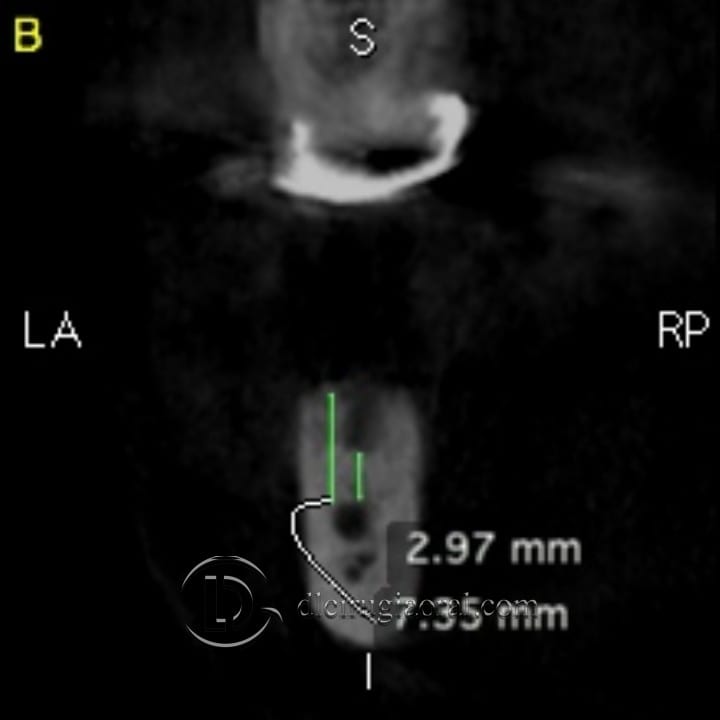
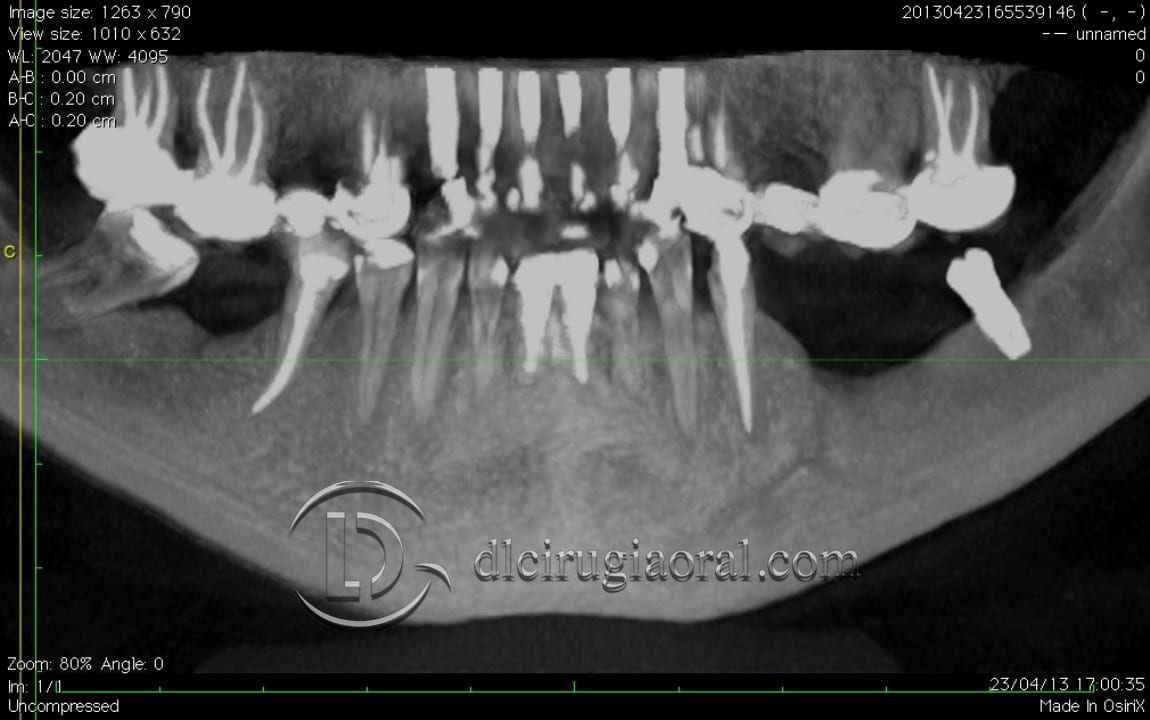
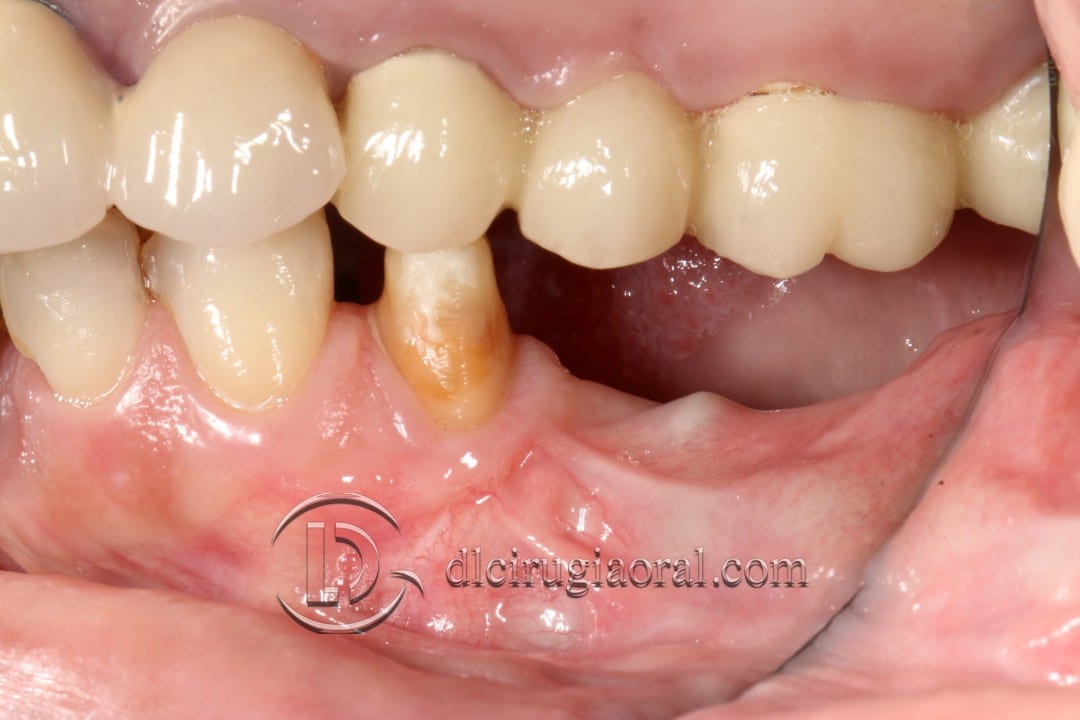
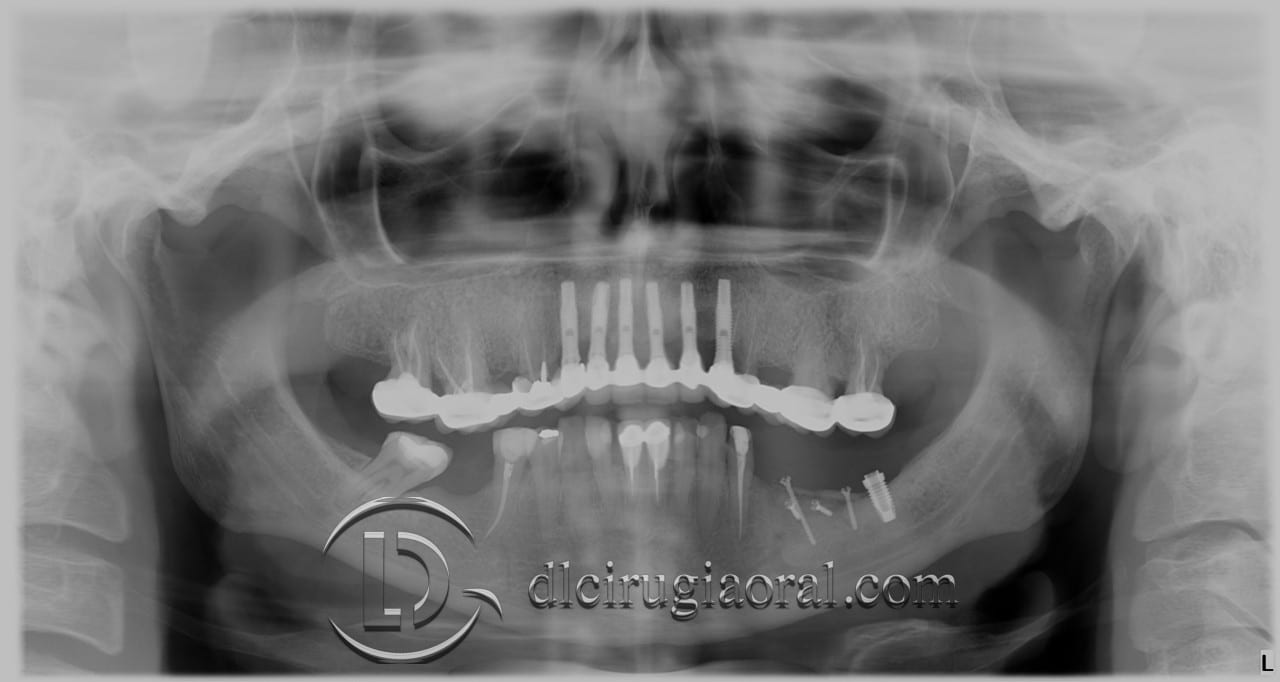
This case focuses on a surgical strategy for gaining height in the posterior mandible using autologous bone and a tunnel access technique. Our patient, a 38-year-old healthy non-smoker, had lost two mandibular implants after an infection. The remaining vertical bone volume was insufficient for standard implant placement.
Assessing Bone Deficiency and Choosing a Technique
We evaluated two options:
-
Short implants
-
Vertical bone reconstruction in the posterior mandible
Although short implants could support a fixed prosthesis, they involved three main drawbacks: poor hygiene access, compromised soft tissues near the mouth floor, and unfavorable biomechanics.
Given the patient’s general health, we chose to perform vertical bone augmentation to reliably achieve long-term function.
Gaining Height in the Posterior Mandible with 3D Reconstruction
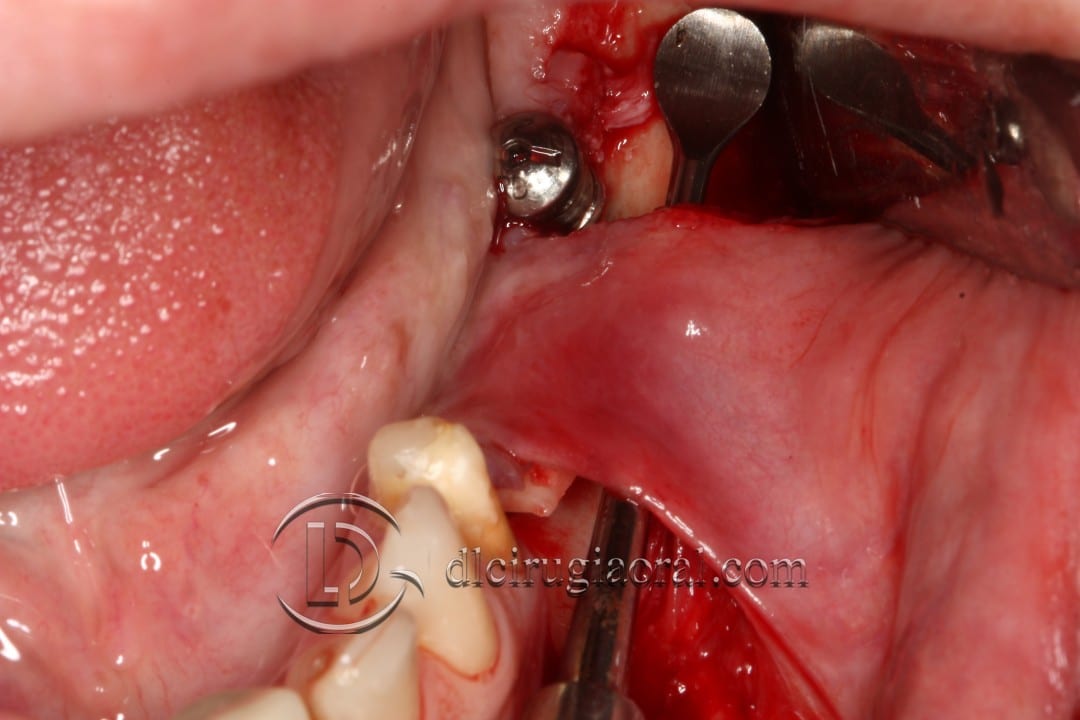
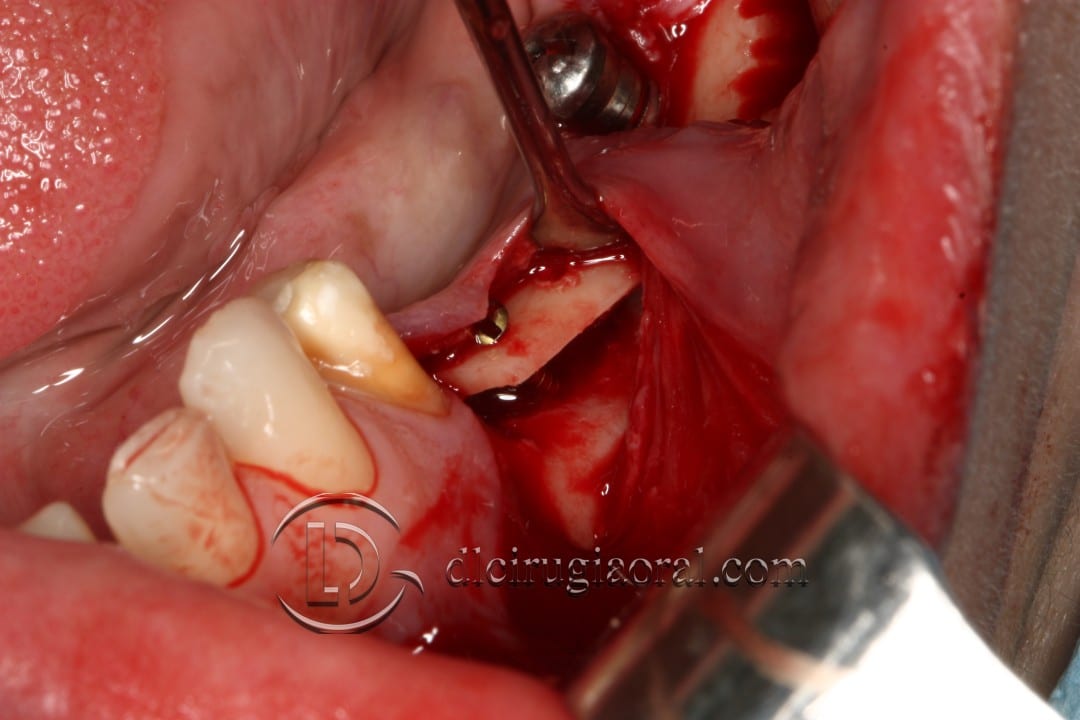
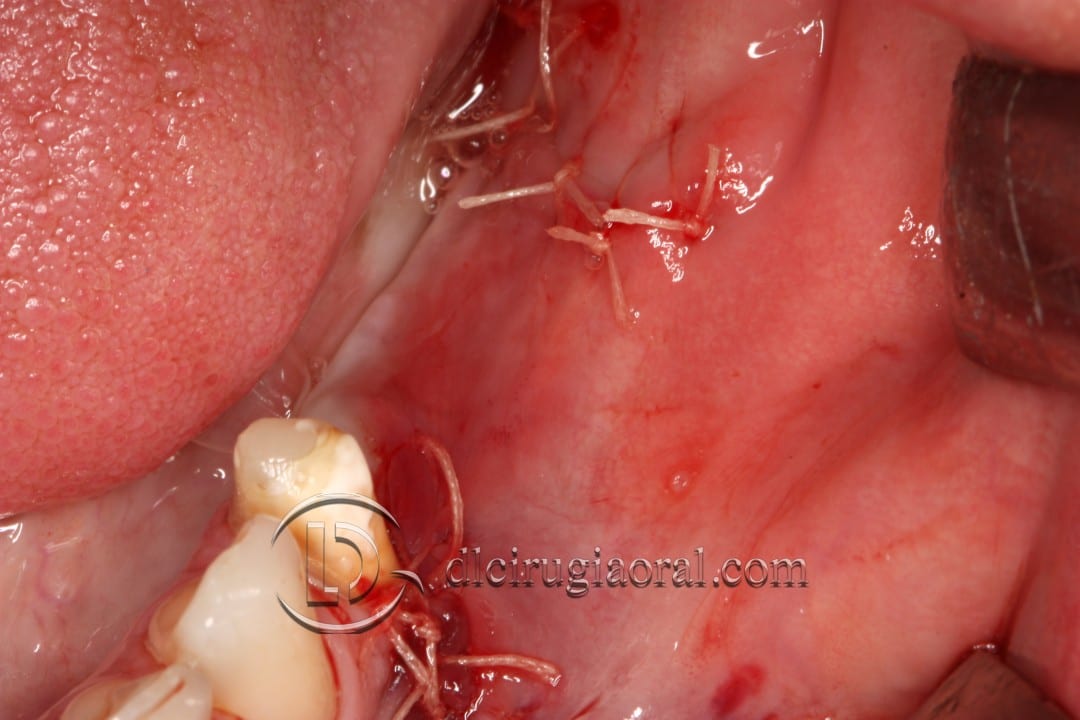
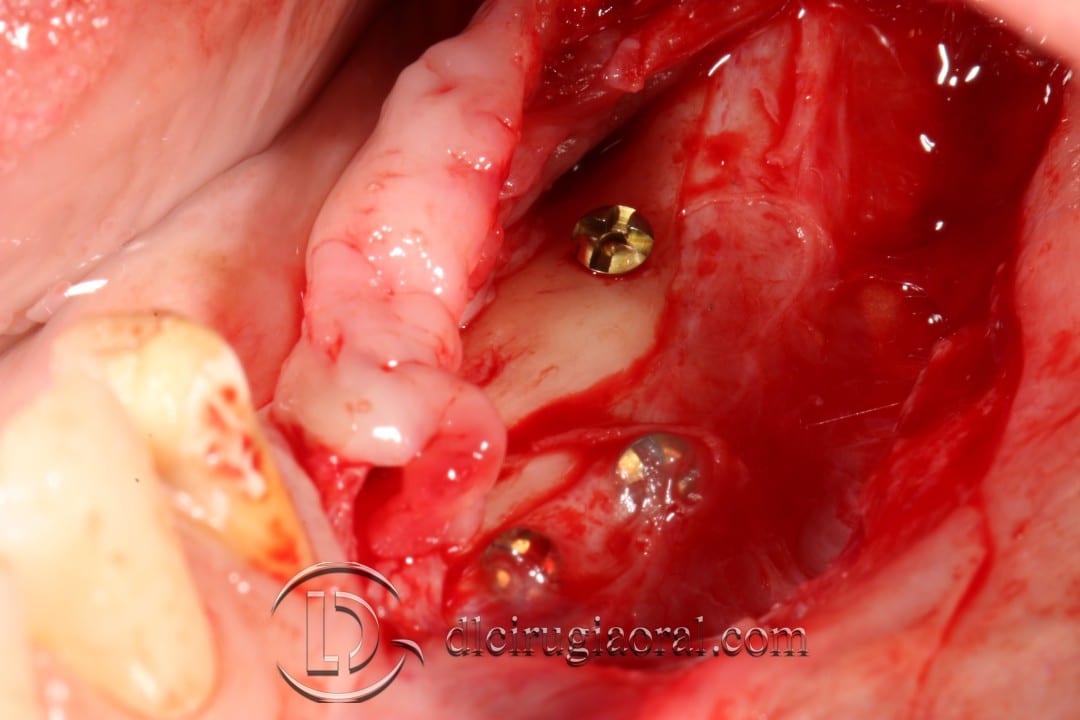
We applied Professor Khoury’s technique using fully autologous bone. Tunnel access allowed us to avoid periosteal disruption, maintain blood supply, and close the surgical site without tension.
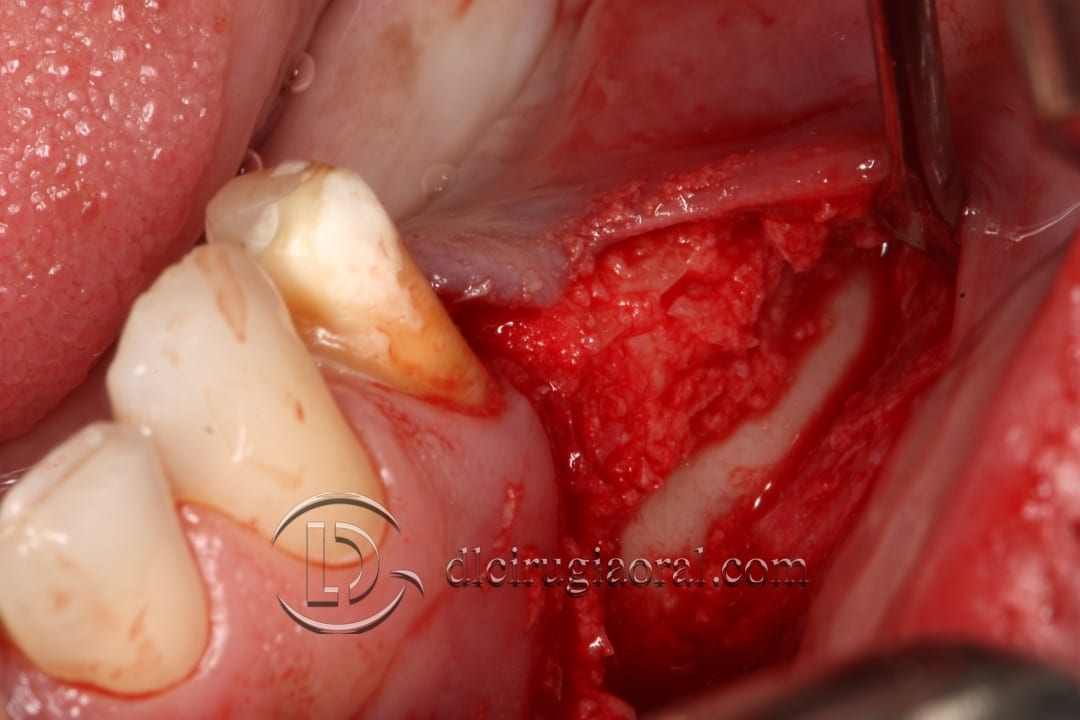
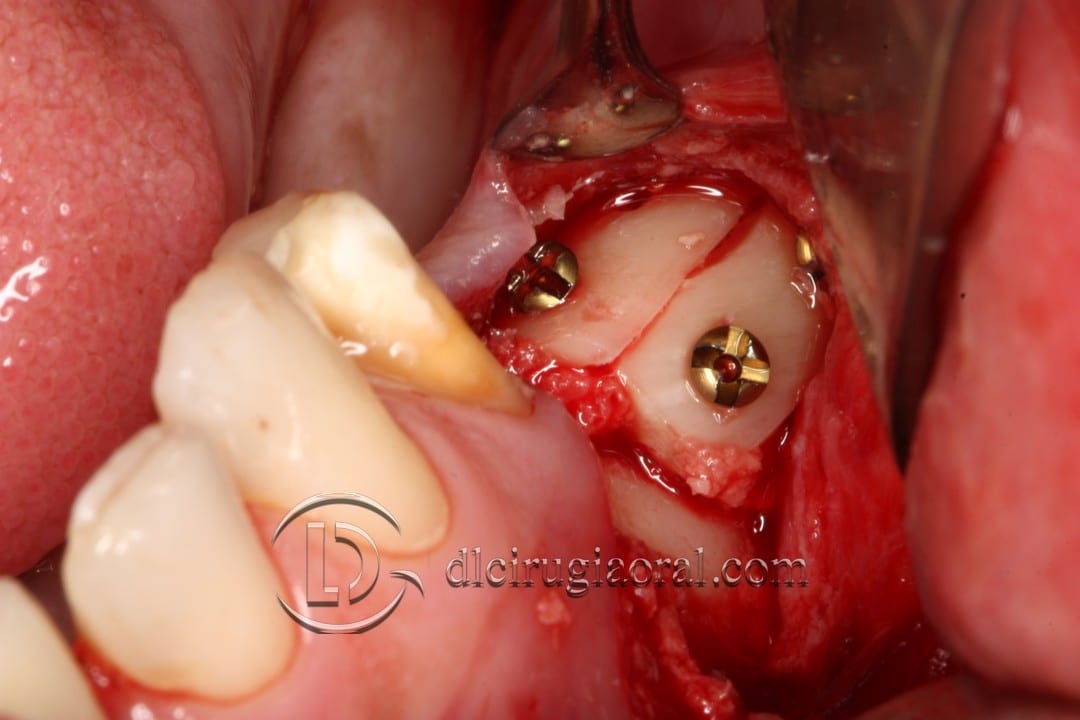
The graft was harvested from intraoral sites, shaped three-dimensionally, and stabilized to rebuild height and allow future placement of standard-length implants at a safer, more functional level.
📎 Khoury Bone Grafting – PubMed
Outcome and Next Phase
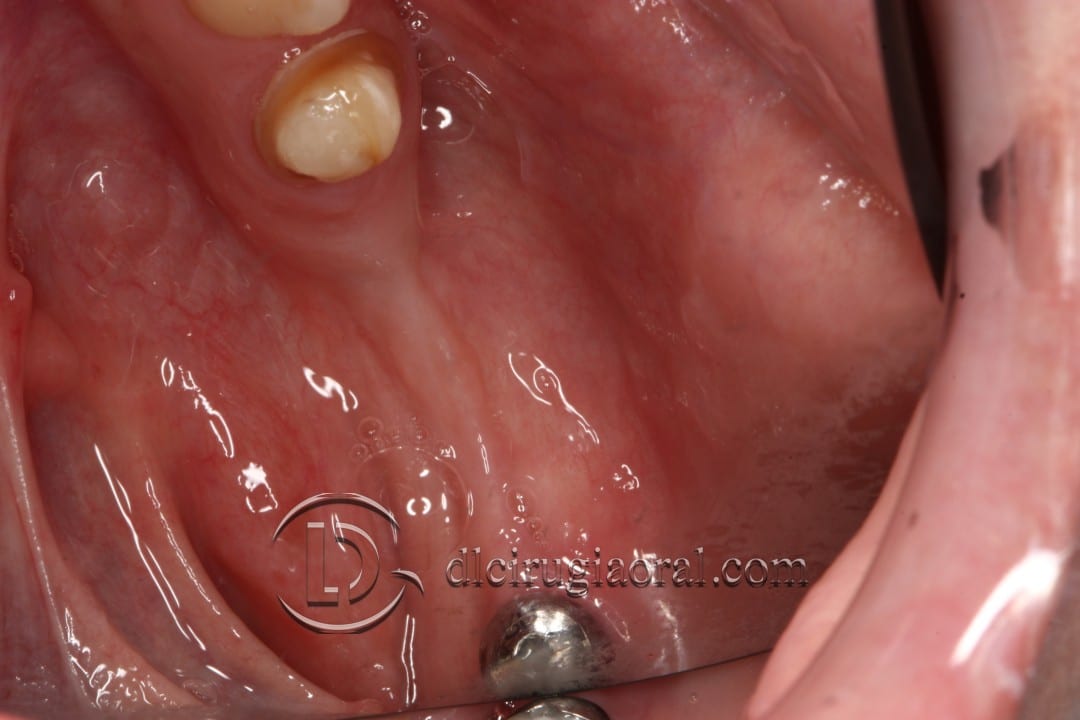
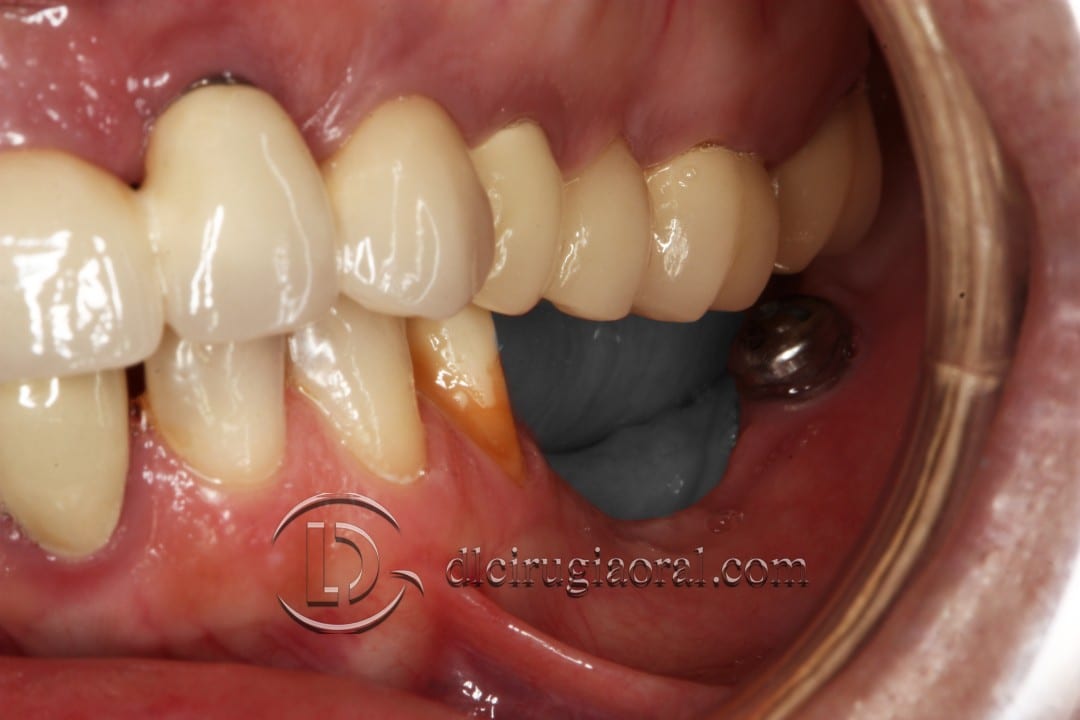
Photos below illustrate the surgical field. We used black and white to show the mouth floor and tongue clearly, making the defect and reconstruction area more visible.
🔗 Follow-up: Implants over 3D mandibular reconstruction